
Geology
Learn what makes our dynamic planet work.
Earth is alive with active processes: from earthquakes and volcanoes to the shifting of continents to the formation of soil. If you’re fascinated by the ground beneath our feet, enjoy hands-on learning outdoors, and want to study the impact of geological forces on human society, the Geology major at Whitman College is one of a kind. Whitman offers small class sizes, accessible faculty and a geologically rich location in the beautiful inland Northwest. Depending on your goals, you can pursue a degree in Geology or a combined major with another program like Environmental Studies, Physics, Biology, Chemistry or Astronomy.
3 Reasons to Study Geology at Whitman

Learn in the Field
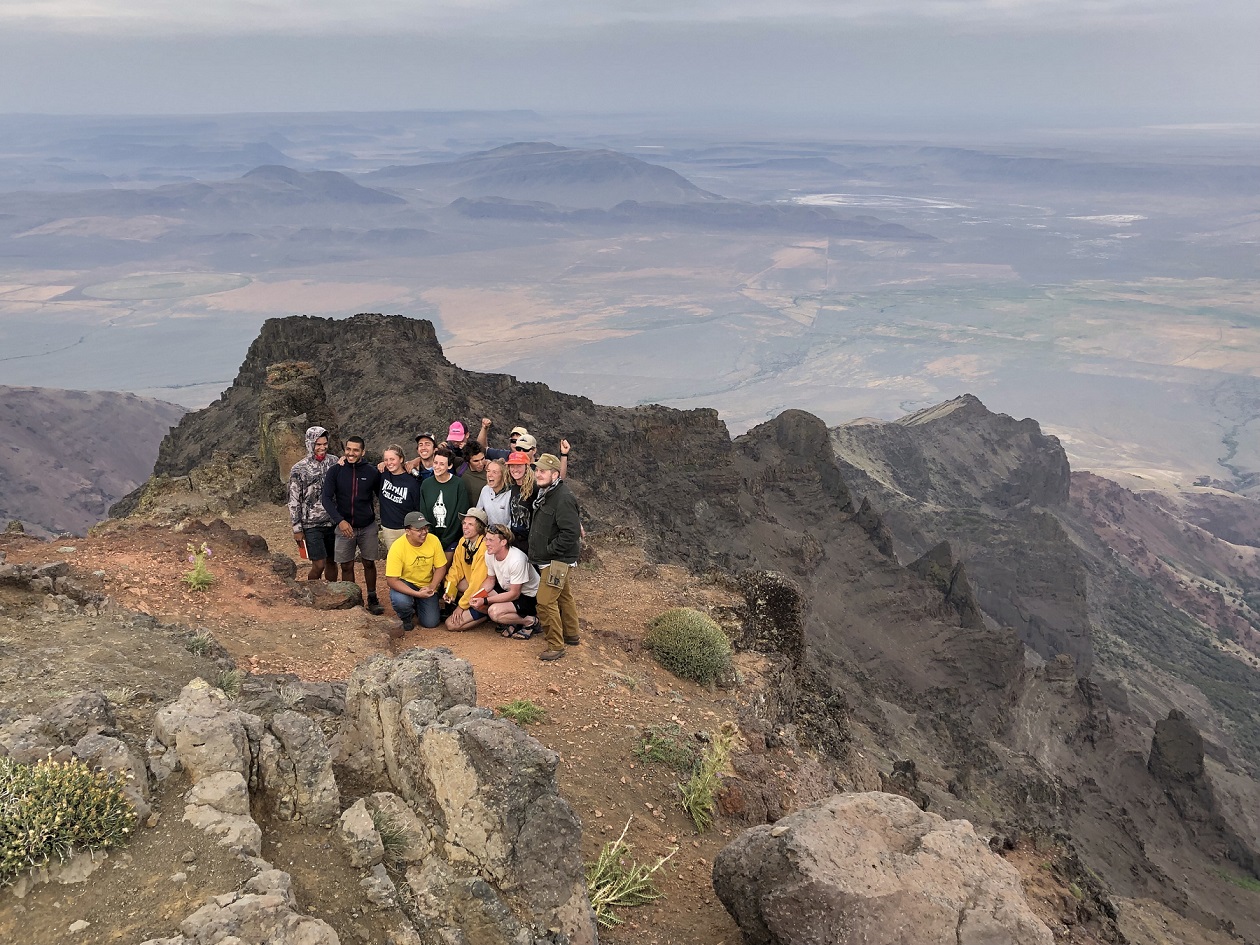
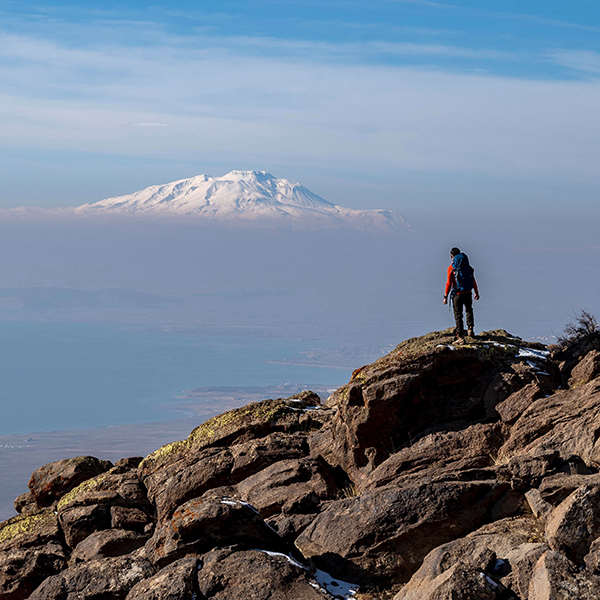
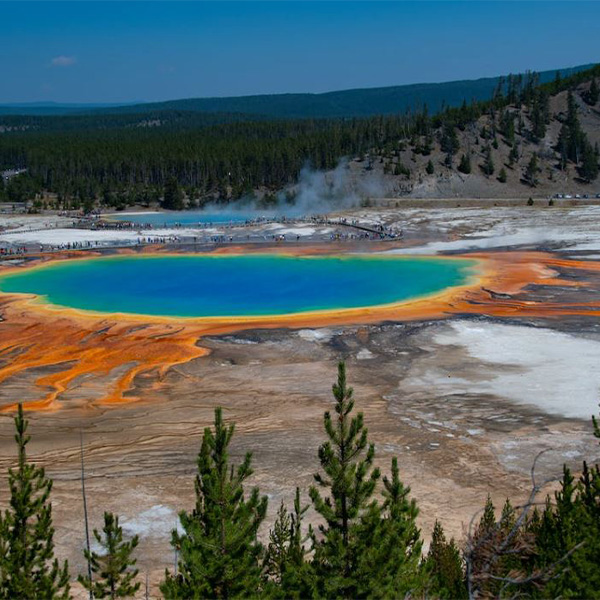
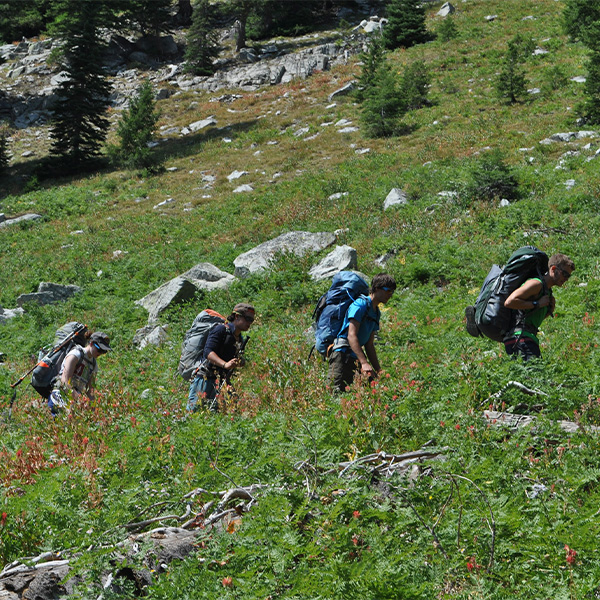
Whitman students aren’t stuck in the classroom. You’ll learn practical techniques and concepts through Whitman’s many field camps and field courses. Each semester the department offers a four-day field trip to a place of geological interest near Walla Walla. And each year, you’ll have the chance to explore farther afield on a longer trip to places like the Mojave Desert or Yellowstone.

Enjoy a Close-Knit Community
Geology majors and faculty praise the campus atmosphere and the positive, engaged people they learn from and study with. Geology majors are a friendly, tight-knit group, and you’ll build close relationships with your professors as you work with them in the field and on research projects.

Get the Fast Track to Grad School
At Whitman, you’ll gain the experience and skills you need for advanced study. You’ll learn how to design research projects, collect and analyze data, and create geological maps. Plus you’ll get hands-on experience with state-of-the-art equipment like scanning electron microscopes, GPS survey equipment, X-ray diffractometers and portable X-ray fluorescence.
Interested in Geology?
We’d love to send you information, including more on academic majors and student life at our beautiful campus in Walla Walla, Washington.
“I wanted to study the environment and be outside learning about the world around us. Geology intertwined studies of the physical Earth with society and how they can impact one another. I also wanted to ensure that I would not end up working inside a cubicle every day for the rest of my life—Geology provided me a career path to the outdoors.”
Our Whitman Student Voices Blog


Courses in Geology
See just a few of the fascinating courses you might take.

The Physical Earth
This course offers a great introduction to how the Earth works, from the core to the crust. You’ll learn about things like landforms, the processes that cause erosion, plate tectonics and the Earth’s interior.
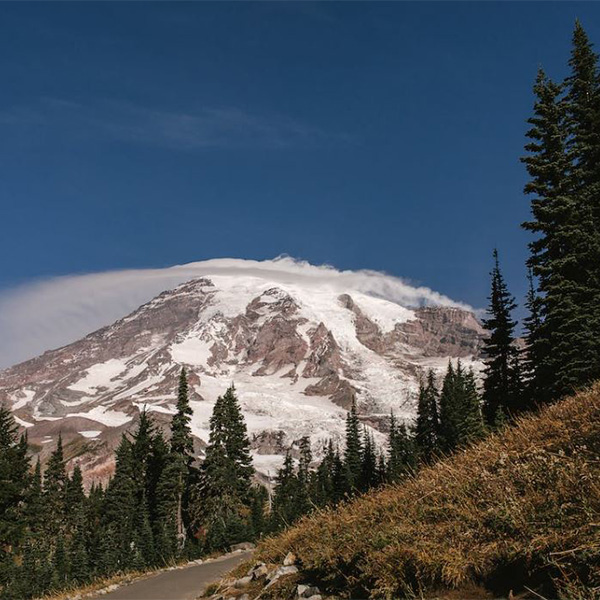
Geologic History of the Pacific Northwest
Take advantage of Whitman’s beautiful location in southeastern Washington to learn about the geological processes that have shaped the Pacific Northwest (Washington, Oregon, northern California, Idaho, and southern British Columbia).
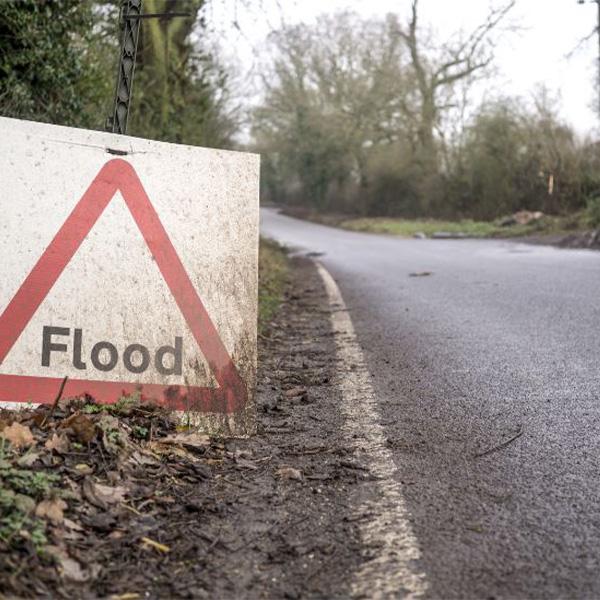
Environmental Geology
In this course, you’ll learn how geological concepts affect human society, and vice versa. You’ll study how natural geologic processes like deglaciation, landslides, flooding and earthquakes pose risks to social infrastructure. And you’ll explore how human decisions about how we interact with the Earth’s atmosphere, soils, energy sources and minerals may help or harm society.
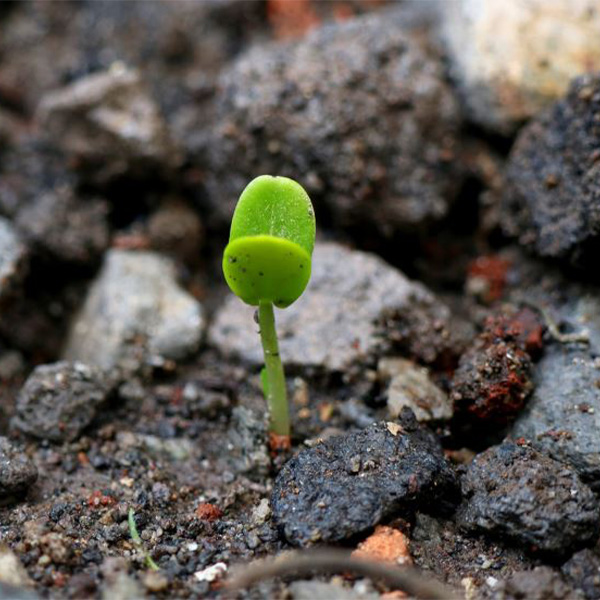
Geology and Ecology of Soils
Soils provide nutrients, water and support for growing plants, host an amazing variety of organisms, and even influence global climate. Through lectures and field trips, this class will explore the dynamic systems within soil and their effect on ecosystems.
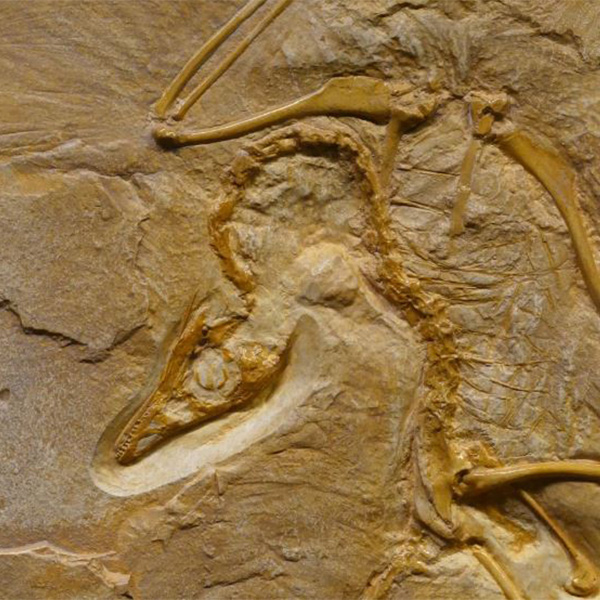
Paleobiology
Travel back in time through the Earth’s fossil record. In this course, you’ll learn about the taxonomy and classification of important fossil groups, evolution and extinction, the ecologic significance of individual taxa, paleogeographic reconstruction based on the fossil record, and much more.
Volcanoes and the Solid Earth
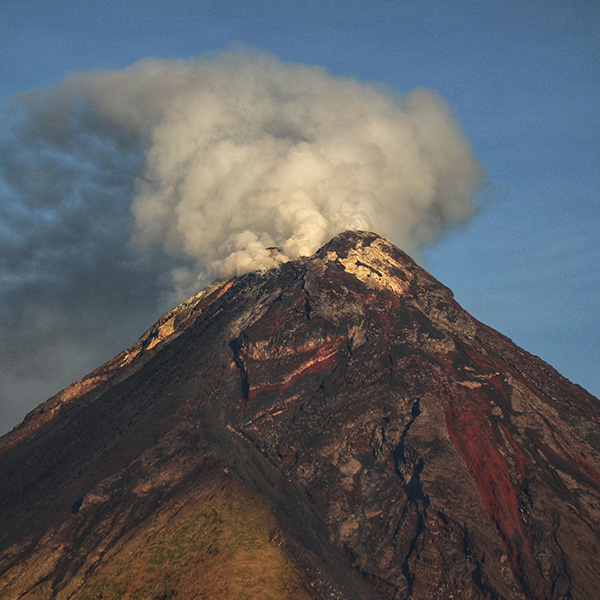
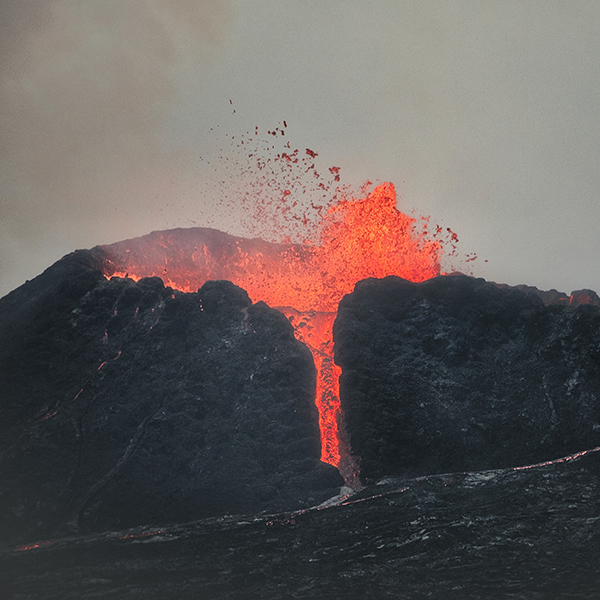
By examining rock suites from around the Northwest in the lab and in fascinating field trips, you’ll learn all about the inner workings of volcanoes and get hands-on experience with the tools geologists use to study them, including petrographic microscopes, thermodynamic phase diagrams, and computer modeling of magmas.
Combined Majors
Amazing Experiences You Can Pursue
Grow with remarkable research opportunities. Research assistantships allow students to help a professor directly with their research while learning skills like drone imagery or 3-D landscape modeling. Whitman is also part of the prestigious Keck Geology Consortium, which selects students from the country’s best liberal arts colleges for field projects each summer.
Bond with fellow students in the field. Ask almost any Geology major what drew them to Whitman, and the field trips will be high on the list. Learn and have fun with your fellow students in places like the San Juan Islands, the Wasatch Mountains and Glacier National Park.
Get a global perspective. At Whitman, you can expand your geologic knowledge and global citizenship by doing off-campus fieldwork outside the United States. Recent students have taken field courses in New Zealand, Australia and Scotland.
Your Questions Answered
If you are curious about the world around you, love spending time outdoors and like challenging classes that will prepare you for graduate school or beyond, Geology is a great major. You’ll learn to understand the forces that shape the planet, conduct and present your own research and collaborate with other budding scientists—all while getting to explore some of the most beautiful places on Earth.
There are lots of career opportunities in Geology. The Geology major sets you up well to become a geologist or pursue further geologist education in graduate school. A degree in Geology can also lead to careers in environmental research, policy or education; the petroleum or mining industries; teaching; engineering; geophysics; hydrology; space science; or oceanography.
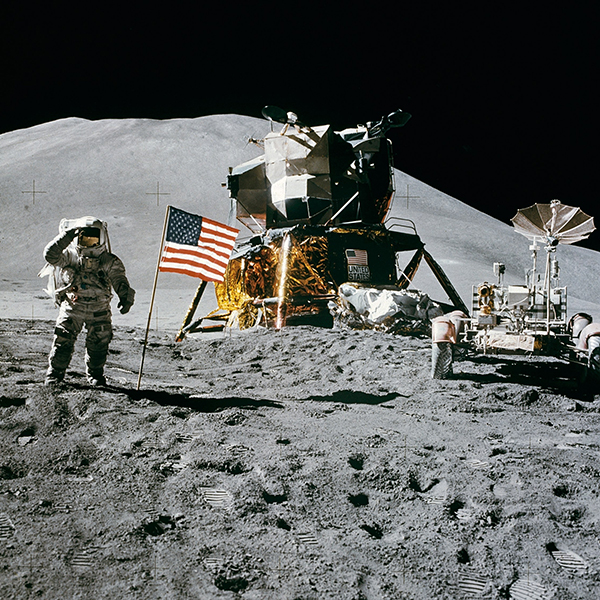
Depending on your goals, you can combine a Geology major with other sciences, like Astronomy, Environmental Studies or Biology to help prepare you for a specific education or career track. Or you can explore less traditional pairings with minors like Art, Creative Writing or a language, which may open up a broader range of post-graduate opportunities.