

Gender Studies
Gain insight into identity
Beneath important debates about women’s health, transgender rights and masculine privilege lies a profound interest in how our understanding of gender and sexuality shapes our identities and institutions. In the Gender Studies program at Whitman College, you can weave together diverse perspectives from different fields of study—alongside relevant internships and research—to create your own rich academic path. Whitman Gender Studies majors graduate with the tools to understand and help shape the world we live in. If you’re looking for an education and career path that puts you on the cusp of social change, this is the major for you.
3 Reasons to Study Gender Studies at Whitman College

Your Ideas Will Matter
Whitman’s attentive faculty and small class sizes prioritize your learning so you’ll feel challenged and supported to fully participate in your education. Plus, the Gender Studies major culminates in a senior capstone project that centers your unique perspective on your topic of choice.

You’ll Get a Diverse Education
In the Gender Studies major, you’ll explore questions of gender identity, sexuality and representation from a range of academic perspectives, including anthropology, art, history, language and literature, politics, psychology, rhetoric, ethnic studies, sociology and more. It’s an academic adventure for people with deep intellectual appetites.

You’ll Find a Community That Cares
Whitman values an environment where everyone feels like they belong and can show up as their authentic self. As you explore campus clubs and events, work with diverse students and faculty, and take advantage of resources like LGBTQIA+ Student Services, you’ll make meaningful connections and find a home away from home.
Interested in Gender Studies?
We’d love to send you information, including more on academic majors and student life at our beautiful campus in Walla Walla, Washington.
“I love thinking big, and Gender Studies is a field that really challenges me to analyze my own situation and that of others. I’m fascinated by the ‘self’ and identity, so gender theory is really exciting for me! I’m also interested in learning about the translation of theory into action (and action into theory), and I know that studying Gender Studies will lead me in that direction.”
Our Whitman Student Voices BlogFaculty







Courses in Gender Studies
See just a few of the fascinating courses you might take.

Introduction to Gender Studies
This course immerses first- and second-year students interested in the Gender Studies major to the foundational concepts of the field. You’ll learn to analyze the construction of gender identity and sexuality. And you’ll explore the relationship of gender to past and present social and cultural institutions, gendered representations in the arts and literature, and feminist and related theories.

Problems With Privilege
In this course, you’ll explore what it really means to “check your privilege.” You’ll learn how structures of discrimination and privilege (including sexism, racism and colonialism) intersect. And you’ll discuss important questions, like: Whose voices get to be heard? How do we listen effectively? And what questions haven’t we raised?

Men and Masculinities
What does it mean to be a man? How has masculinity been experienced across time and space? What is toxic masculinity? And what do alternative and nondominant masculinities look like? In this class, you’ll engage with the emerging field of masculinity studies to tackle these and other fascinating questions.

Rhetoric, Gender and Sexuality
This class examines the ways that rhetoric rooted in gender and sexuality can create, reinforce, adjust and sometimes overcome sex- and gender-based bias in society. We’ll take a critical look at rhetorical practices used in the media, the law, politics and daily life to hone your awareness of bias—and point toward new ways forward.
Trauma and Its Aftermath: Narrative, Witnessing and Remembrance
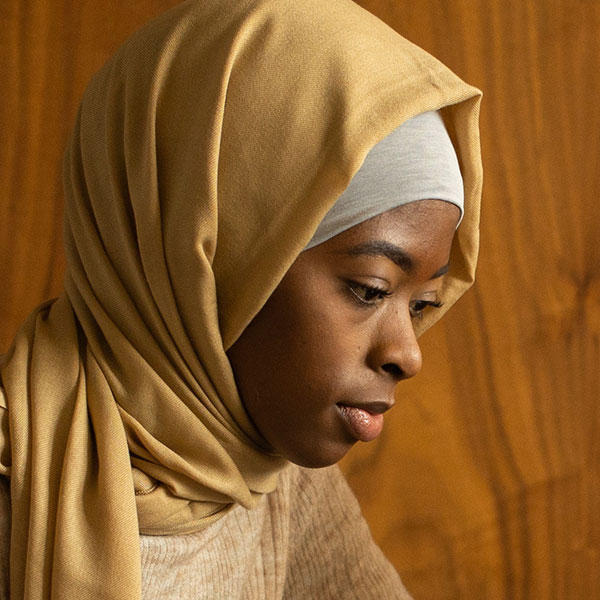
Taking contemporary examples of race- and gender-based violence as a point of departure, you’ll examine debates in scholarship and activism over definitions of trauma, its personal and collective impacts, and the social, cultural, and political actions to be taken in its wake.
Queer Desires
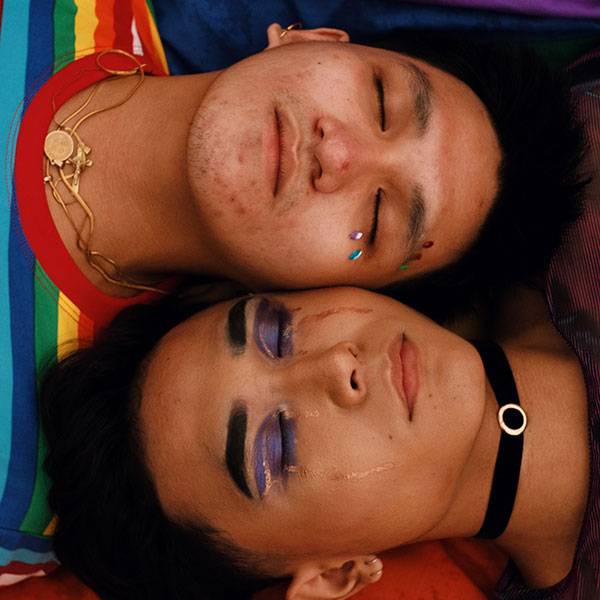
In this class, you’ll dive deep into the theoretical debates that have shaped the field of queer studies—and learn how to use that understanding to resist social inequalities, especially at the intersections of race, ethnicity, class, embodiment, age, gender and sexuality. You’ll explore topics like decolonizing queerness, the relationship between disability and desire, and visibility politics.

Amazing Experiences You Can Pursue
Create your own curriculum. At Whitman, your Gender Studies advisor will help you tailor your courses to your areas of interest. Do you want to specialize in Latinx experiences, queer representation, gender activism or something else? You can do it here.
Put theory into practice. Internships offer the opportunity to extend your education beyond the classroom. As an intern in a legal clinic, school or government agency, for example, you can bring your knowledge of gender and sexuality to bear on real-world initiatives.
Get a global perspective. Gender Studies majors are encouraged to pursue a second language. And the flexible design of the major makes it easy to study social dynamics in a different setting. Some off-campus study programs even emphasize fieldwork, so you can practice research methods and learn from locals.
What Our Graduates Are Doing Now

Gender Studies
Child Life Specialist, Children’s Hospital Colorado

Gender Studies
Senior Associate at the Centre for Public Impact

Gender Studies
Doctor of Optometry
Your Questions Answered
Through a focus on gender identity, sexuality, and gendered representation, Gender Studies can enrich your understanding of the complexity of human experience. Although often inspired by feminism, Gender Studies courses take a broad variety of theoretical approaches to topics in women’s studies, men’s studies and LGBTQ studies. With Gender Studies, you’ll also investigate the entanglements of knowledge, power, privilege and exclusion—and how they influence and are influenced by gender and sexuality. It’s a fascinating subject, highly relevant to the modern world.
Gender Studies is a flexible major that encourages valuable skills in critical thinking, research, writing, cultural competence and activism. Gender Studies graduates have followed their interests into social work, crisis centers, government positions, playwriting and even veterinary medicine. Whatever path you decide to pursue, the deep curiosity you nurture in your Gender Studies major will serve you well.
As you might expect, students choose the Gender Studies major for many great reasons. For some, it’s particularly relevant to their own lived experience. Others are drawn to the close-knit department and meaningful relationships with professors and peers. And for many it’s a window into marginalized communities and a pathway to impactful activism during and after college.