

Sociology
Make sense of the world around you.
Sociology reveals patterns in the way we organize and interact as people. It sheds light on everything from the media to our criminal justice system to our connection with the natural world. In both the Sociology and the combined Sociology-Environmental Studies majors at Whitman, you’ll gain the tools to understand how your story intersects with bigger social forces. And you’ll do it at one of the best Sociology undergraduate programs in the Northwest. If you wonder about the relationships, systems and conflicts that shape our world, then consider a bachelor’s in Sociology at Whitman.
3 Reasons to Study Sociology at Whitman

Tackle Topics That Matter to You
Working closely with faculty members, all Sociology students conduct original research for their senior thesis. Maybe you’ll analyze the political and environmental views of rural farmers or study conflict resolution on college campuses. You decide what to explore.

Get the Liberal Arts Edge
In our Sociology major, you’ll learn to analyze data, apply theories across contexts and communicate effectively—skills that will take you far when you’re ready to enter the workforce. You’ll also pick up crucial digital skills like using analysis software and other research tools.

Create Real-World Impact
As a Sociology major, you’ll use what you learn to make a difference. From internships to jobs to student clubs, you’ll have opportunities to put your understanding of the world into practice. Will you help improve programs for schoolchildren? Intern in social services? Or do environmental advocacy work?
Interested in Sociology?
We’d love to send you information, including more on academic majors and student life at our beautiful campus in Walla Walla, Washington.
“I took Principles of Sociology during my second semester at Whitman and fell in love with the way that Sociology enables one to study so many different areas of society and examine the various social structures that influence these realms. I was especially interested in the ways that social structures, both visible and invisible, greatly influence individuals’ life experiences and identities.”
Our Whitman Student Voices BlogFaculty

Courses in Sociology
See just a few of the fascinating courses you might take.

Principles of Sociology
This course provides the foundation for your study of human group behavior. You’ll explore modern and historical sociological theories and learn to apply them to topics like globalization, inequality and the relationship between humans and the environment.

Social Research Methods
How do sociologists gather, analyze and interpret information about the social world? This course will introduce you to the role social research plays in sociology. You’ll explore topics like the relationship between theory and research, research design, data-gathering procedures and more. Get ready to learn fundamental tools on your way to becoming a sociologist.
Environmental Sociology
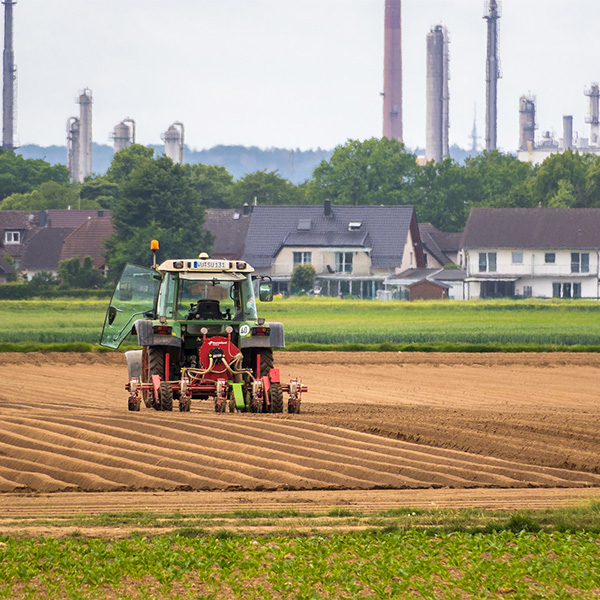
How is the environment shaped by society, and how is society shaped by the environment? Who controls access to resources? And who is impacted by environmental hazards? Dive deep into the theories, debates and questions that occupy the minds of environmental sociologists.

Social Theory
Discover the major thinkers, ideas and debates in social theory from the mid-18th century to the present. In this trip through the history of sociology, you’ll learn how social theories are informed by their context. You’ll discuss how they can be put in practice. And you’ll come away with a better understanding of where the field is headed next.

The Sociology of Everyday Life
Join this fascinating introduction to the sociology of face-to-face interaction, communication and the social construction of reality. You’ll read classic pieces of sociology as well as contemporary case studies—and work on a semester-long research project—as you work to see patterns of social behavior in everyday situations.

Current Issues in Sociology
Cap off your Sociology major with this senior-level seminar where you’ll gather with Whitman’s expert Sociology faculty to discuss current research in the field. It’s a rare meeting of the minds where you can apply what you’ve learned over the course of your major, hear from a variety of experts and make significant progress on your thesis.
Amazing Experiences You Can Pursue
Start making a difference now. Volunteer with Whitman Teaches the Movement, sharing lessons on civil rights with local students. Or work with the health department to increase equitable access to healthcare. As a Whitman Sociology major, you’ll put your principles into practice while doing good in the community.
Support fellow students and yourself. Sociology majors have plenty of ways to connect with peers while gaining experience and even a paycheck. You can work for the Student Engagement Center as a program leader, for example. Or you could tutor fellow students at the Center fOr Writing and Speaking (COWS).
Expand your perspective by studying abroad. Studying in another culture can give you valuable insight into your own. Sociology students at Whitman have studied in places like Argentina and Tanzania to learn more about how social systems are similar to and differ from the United States.
What Our Graduates Are Doing Now
Sociology
Federal Special Agent
Sociology
Associate Professor of Sociology at Washington University in St. Louis

Sociology
Survey Statistician at U.S. Energy Information Administration
Sociology
Lawyer in Portland

Sociology
Policy Analyst at Migration Policy Institute
Sociology
Foreign Service Officer at the United States Agency for International Development (USAID)
Sociology
Field Sales Engineer, Monolithic Power Systems LLC
Your Questions Answered
Sociology is a good major for making sense of conflicts and controversies in the world around you. You’ll come to better understand personal, family, community, national and global dynamics better when you can connect them with larger discussions about race, gender, class and other factors that shape our society. And you’ll be able to apply what you learn to a wide variety of fields.
Sociology majors master communication, research, teamwork and project management skills—and develop a broad-ranging understanding of the world. These fundamentals mean many possible careers for Sociology majors. Some decide to go on to graduate school or law school. Others pursue professions in social work, human resources, marketing, politics or any number of other fields that rely on interdisciplinary know-how.
It is! Whitman’s Sociology program encourages you to take your education out of the classroom and explore opportunities to lead and serve others. Sociology majors do independent research with our approachable professors. They participate in campus committees as student representatives to administrators and staff. And they earn leadership positions in student government and student clubs. A bachelor’s in Sociology from Whitman will prepare you with the skills and experience you need to be an effective leader.