

Politics
Explore the power of people.
Understanding and using political power effectively requires a deep knowledge of our world. That’s why Whitman College’s Politics degree encourages students to take full advantage of our liberal arts environment to explore politics from multiple perspectives for a broad intellectual foundation. In the Politics major, as you deepen your knowledge of democracy, international relations, immigration, climate change, activism and other important topics, you’ll strengthen your ability to apply theory and action to today’s most crucial issues. A Politics degree from Whitman can be the first step on your path to making a difference.
3 Reasons to Study Politics at Whitman

Your Major, Your Way
The Politics major at Whitman is open and flexible—with very few required courses. Instead, each Politics major is like a custom major—a plan of studies developed one-on-one with your advisor to make sure you come out of the program with the skills, knowledge, networks and experiences you need and desire.

A Comprehensive Perspective
Studying Politics in a liberal arts environment means you’ll dive into history, sociology, philosophy and more to enhance your political education. Exploring a broad range of fields means you’ll graduate with an open mind and diverse skills, ready for a career in the nonprofit sector, government, journalism, law, business or tech.

Real-World Experience
At Whitman you can put politics into practice. Maybe you’ll make meaningful social change around campus, as previous Politics majors have, by becoming a member of the Dean’s Advisory Council, a podcaster for BIPOC belonging, or a co-leader of the Whitman Teaches the Movement initiative in local schools, for example.
Interested in Politics?
We’d love to send you information, including more on academic majors and student life at our beautiful campus in Walla Walla, Washington.
“My study of Politics has challenged me to expand my horizons of what constitutes a political education and has given me a rich intellectual curiosity and an interest in rigorous, engaged discussion. I’ve had the opportunity to work with faculty who are strongly committed to guiding students towards a deep engagement with complex questions, thoughtful communication and the development of new perspectives.”
Our Whitman Student Voices BlogFaculty



Courses in Politics
See just a few of the fascinating courses you might take.
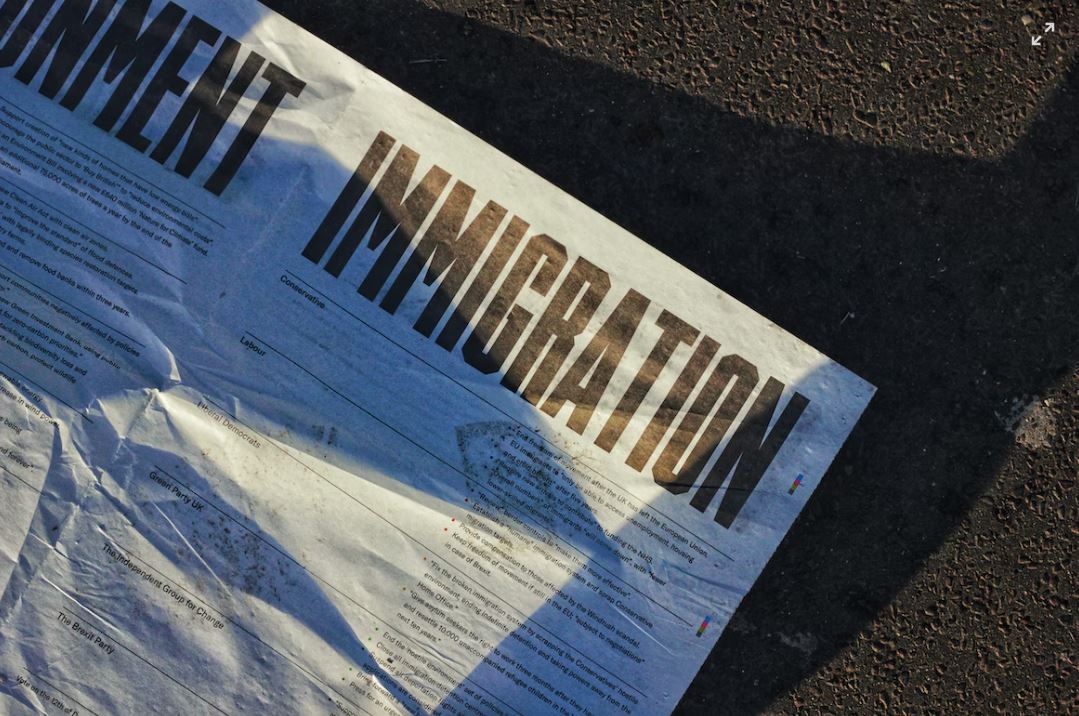
Introduction to the Politics of Migration and Immigration
Nationalism and nativism. Militarized border enforcement. Immigrant rights and anti-immigrant social movements. Climate change and climate refugees. These big political issues all hinge on the movement of people across national borders. In this course, you’ll get a global overview of migration politics with a focused introduction to the U.S. immigration system. Get ready for a fascinating trip!

The First Amendment: Speech, Press and Assembly
Is the First Amendment central to American democracy? What does it have to do with public spaces, media power or hate speech? In this course, you’ll study the development of legal doctrine and learn to critically read case law about speech, assembly and the press—and to consider them alongside core American ideas of freedom, democracy and power.

The Art of Revolution
Recent political theory suggests that radical democratic action happens when people see what previously had not and could not be seen. In this class, you’ll consider the different paths and outcomes of two revolutions—the 1789 French Revolution and the 1979 Iranian Revolution—as you explore the relationship between aesthetics and political thought.
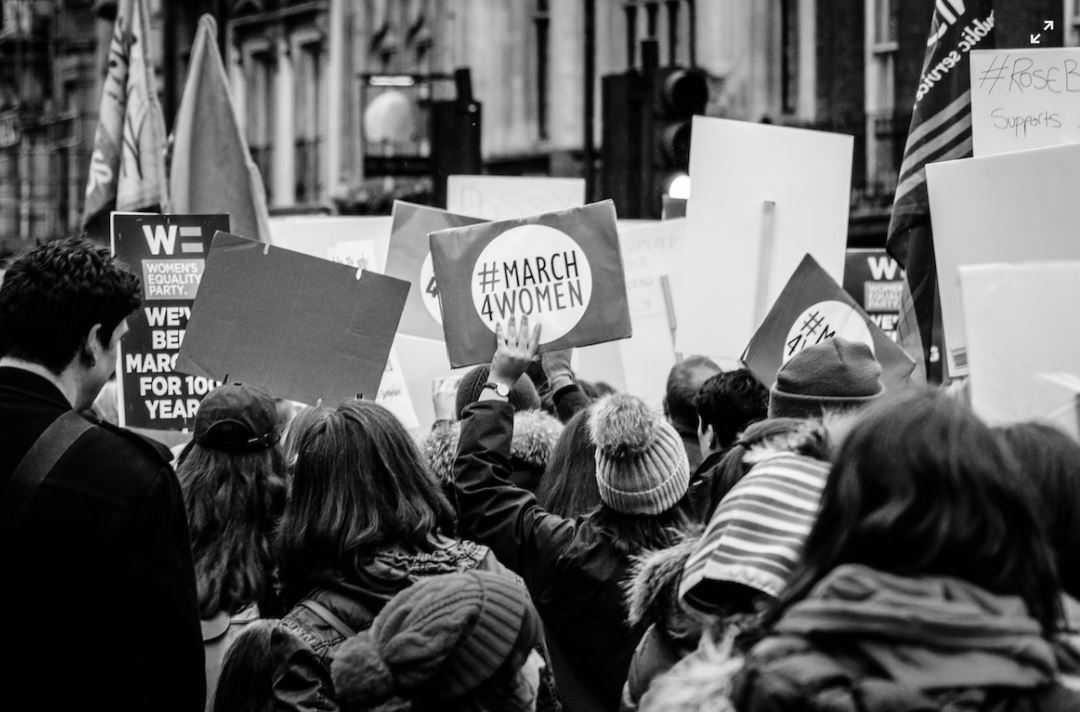
Feminist and Queer Legal Theory
Where do feminist and queer theories intersect? Where do they diverge? And how do they use and shape the law in pursuit of their ends? This course invites you to engage with issues of identity, rights, the state, cultural norms and capitalism. You’ll read legal decisions and political theory to explore issues like marriage equality, sexual harassment, workers’ rights and privacy.
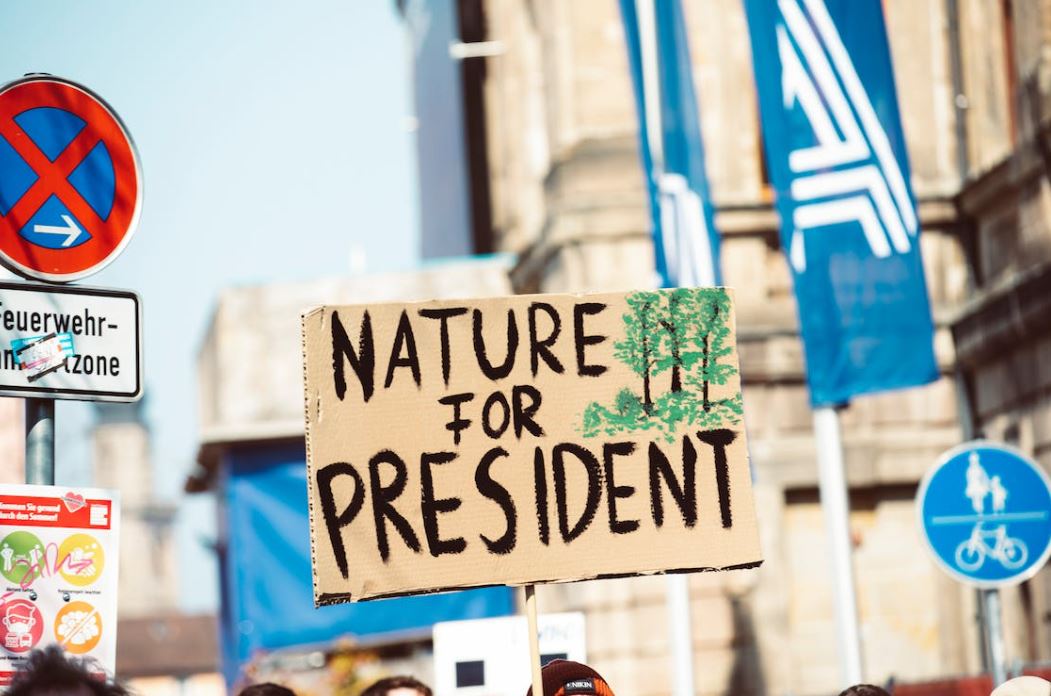
Nature, Culture, Politics
In this course, you’ll explore the evolving understanding of nature in American culture. In the classroom and at the Johnston Wilderness Campus, you’ll consider topics like wilderness politics, the management of national parks, biodiversity, and the political uses of nature in environmental literature, among other significant topics.
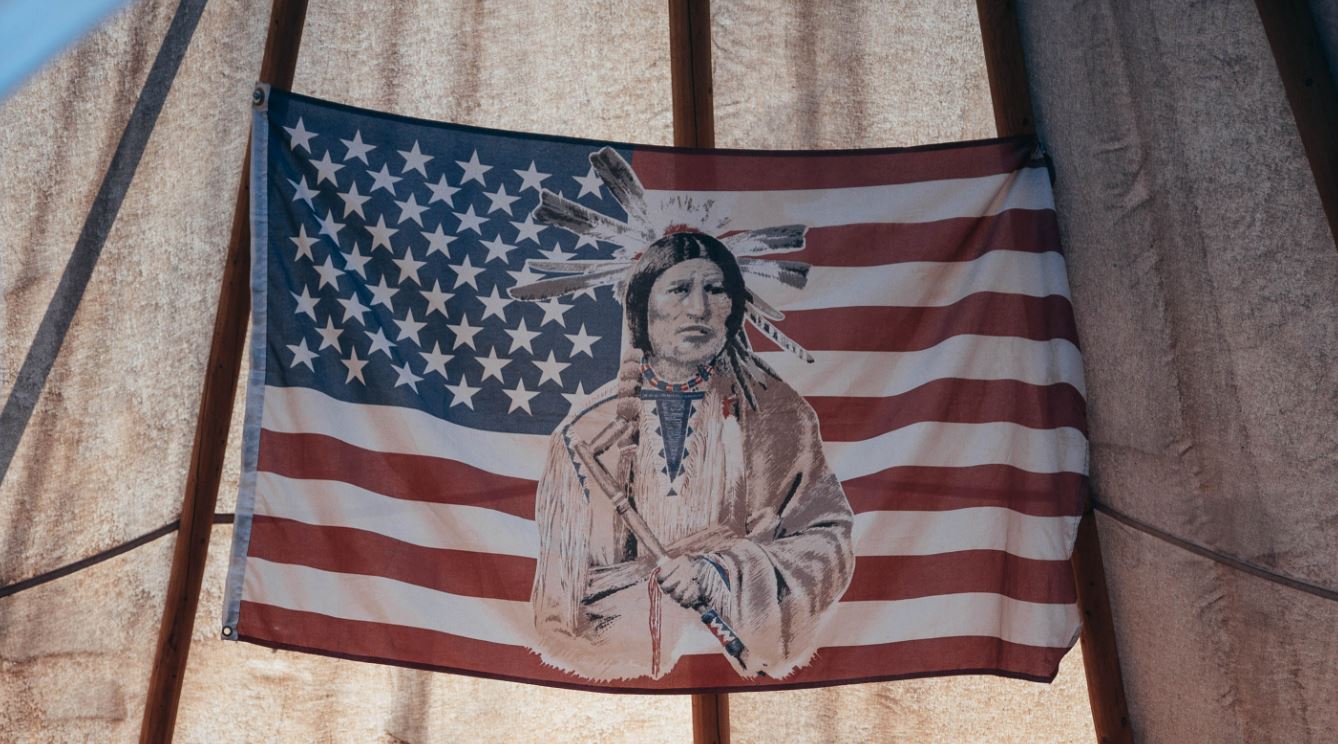
Indigenous Politics
In this course, students use Whitman’s own agreement with the Confederated Tribes of the Umatilla Indian Reservation to consider what such commitments can and should entail. You’ll critically discuss topics like Indigenous nationhood, federal Indian law, treaties, boarding schools, memorials, queer Indigenous studies, reparations and more.
Learn More About the Field Course: Land, Water, Justice
Amazing Experiences You Can Pursue
An opportunity-rich environment. Our Politics majors intern in advocacy and education at large and small organizations. They write for the campus newspaper, spend summers at immersive language schools, study abroad to gain global perspective and even experience the extraordinary Semester in the West.
Bring Politics home. In your rigorous study of Politics at Whitman, one of the most important perspectives you will explore is your own. In courses tailored to local topics—like the Politics of Salmon or the Secularization of Whitman College—you’ll learn to apply political thought to issues close to home.
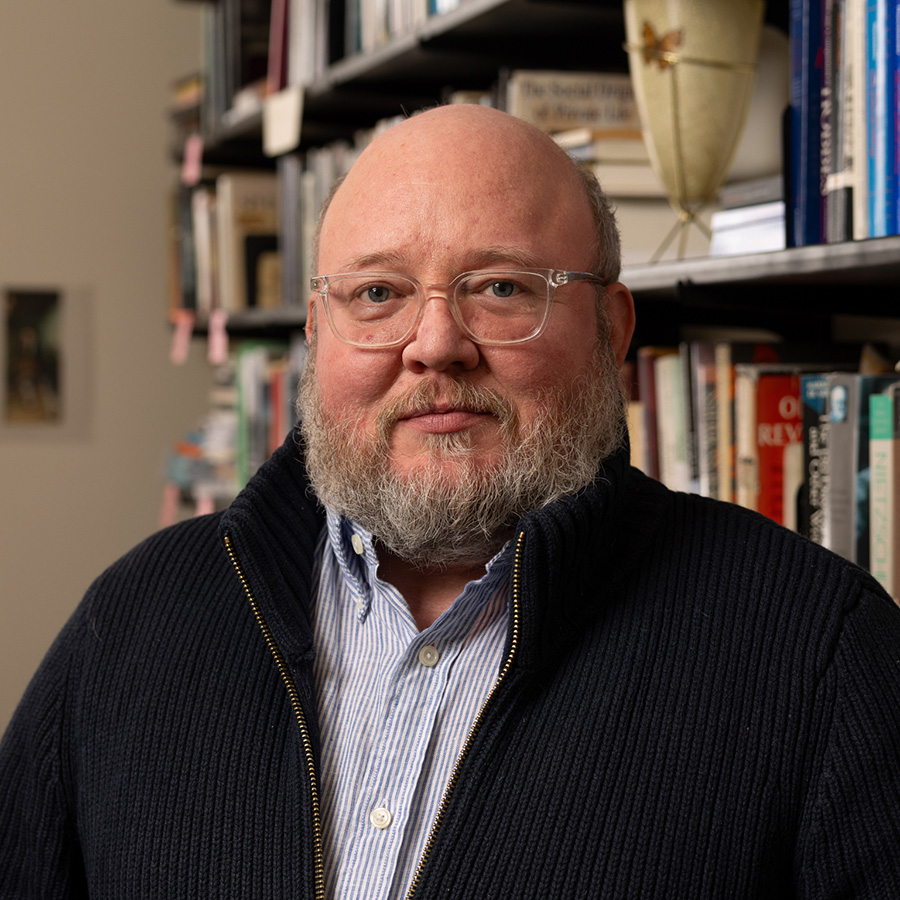
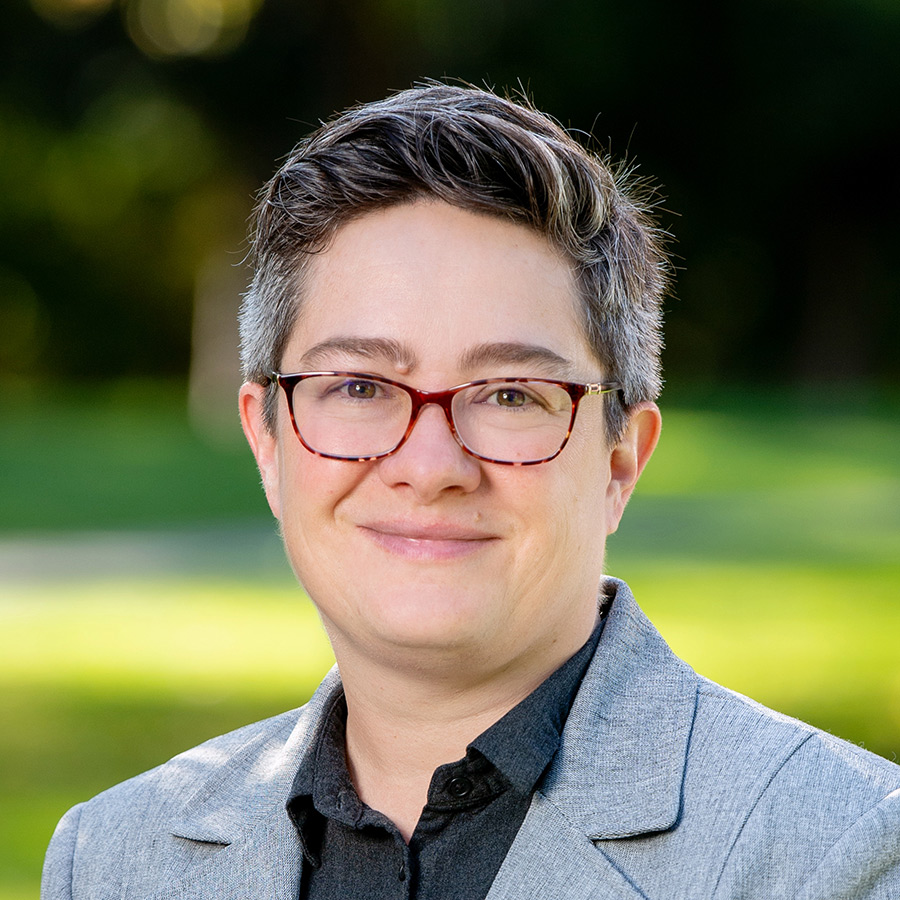
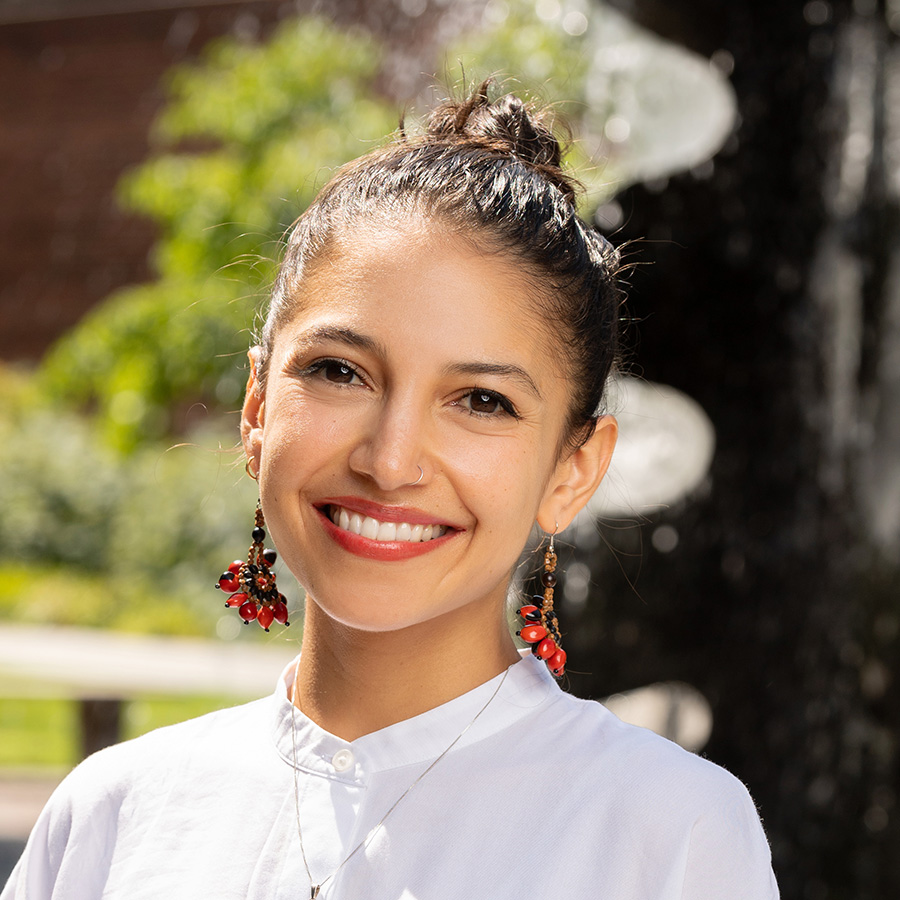
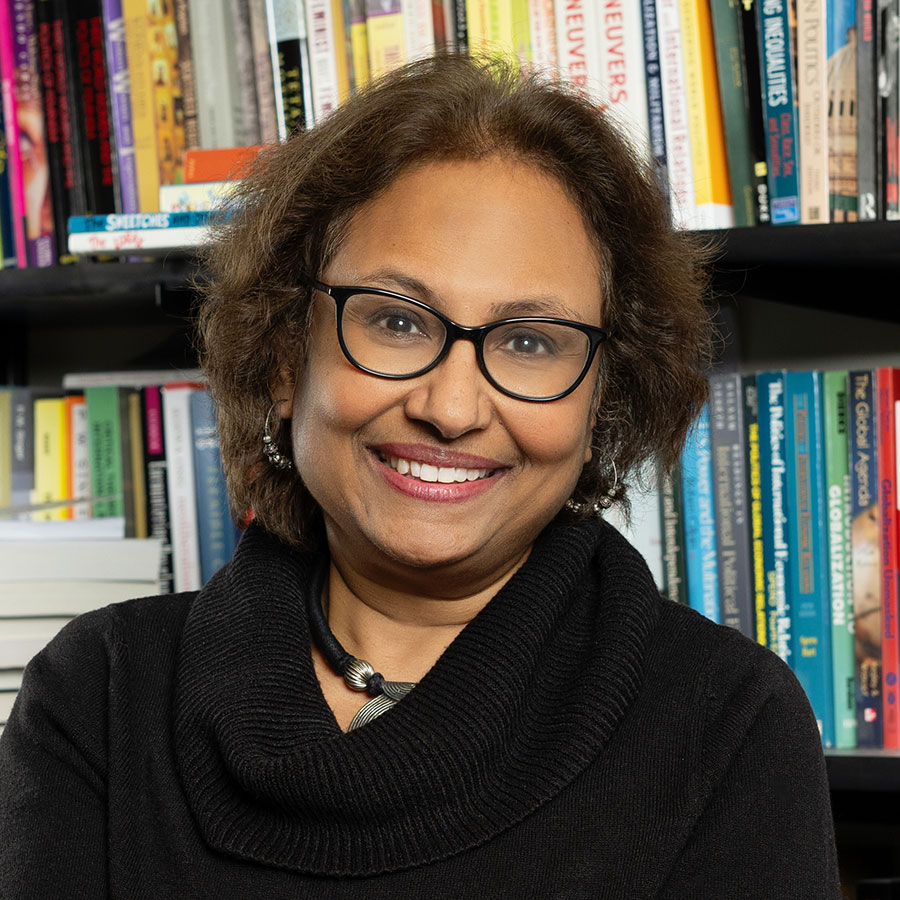
Professors who care about scholarship and scholars. Politics majors describe their professors as brilliant, passionate and committed. Not only do our professors teach the events, concepts and discourse of Politics, but they also teach you how to question and interpret your world.
Your Questions Answered
At Whitman, we celebrate the cross-disciplinary study of Politics. As a Politics major, you can expect to take courses influenced by Anthropology, Race and Ethnic Studies, History, Economics, Sociology, Philosophy, Gender Studies, Religion and more. Many students take advantage of the combined Politics-Environmental Studies major or create their own double major. Plus, abundant off-campus study opportunities allow for even more exploration and integration of different perspectives. Our Politics Senior Seminar is even team-taught by different professors to offer another way for students to synthesize learning, foster community and learn from a variety of perspectives.
The Politics major doesn’t teach you how to become a politician. Instead, it supports you in becoming critically engaged in contemporary political issues with an open mind and an analytical approach to questions of war and peace, democracy, terrorism, the environment, race, gender, class, sexuality, the legacy of colonialism and more. Our graduates have built careers in government, to be sure, but they have also become leaders in immigration law, community organizing, environmental management, the arts, entrepreneurship and even farming.