
Environmental Humanities
Gain insight into a world in crisis.
Environmental Humanities invites students to ask one of the most high-stakes questions of our time: How can we live ethical, just lives on a precarious planet? To find your unique answer, you’ll turn to ideas from the arts, literature, rhetoric and philosophy. You’ll interrogate old and new ways of thinking about the environment. And you’ll harness your own creativity as you imagine pathways to a more just, sustainable and accommodating future for all of Earth’s inhabitants.
3 Reasons to Study Environmental Humanities at Whitman

Balance Science and the Humanities
In Whitman’s Environmental Humanities major, you’ll take courses from the natural and social sciences alongside humanities-focused courses that draw on Art, Philosophy, Classics, English, Global Literatures and more to understand our relationship with the Earth and our responsibilities in an age of climate change.

Engage With Diverse Ideas
As you grapple with questions like “Who survives? Who gets to live well? And how do we live together?” you’ll explore modern and ancient ideas about humans’ relationship with the natural world and each other. And you’ll center important perspectives that are too often left out of environmental conversations.

Find Your Voice
Envisioning a path forward will take powerful imaginations—and bold and ethical voices. The Environmental Humanities major will encourage you to become a thinker, writer and artist who wrestles with environmental issues creatively. And you’ll have the chance to deeply explore the ideas and topics that are meaningful to you.
Courses in Environmental Humanities
See just a few of the fascinating courses you might take.

Environmental Ethics
Does the nonhuman world have any intrinsic value or is it valuable only because of its relation to human interests? Do all sentient creatures have rights? What about those creatures that lack sentience? And does the environment itself have moral standing? Through readings and thought-provoking discussions, you’ll debate answers to questions that occupy the minds of modern environmentalists.
Women and Nature in the Ancient World
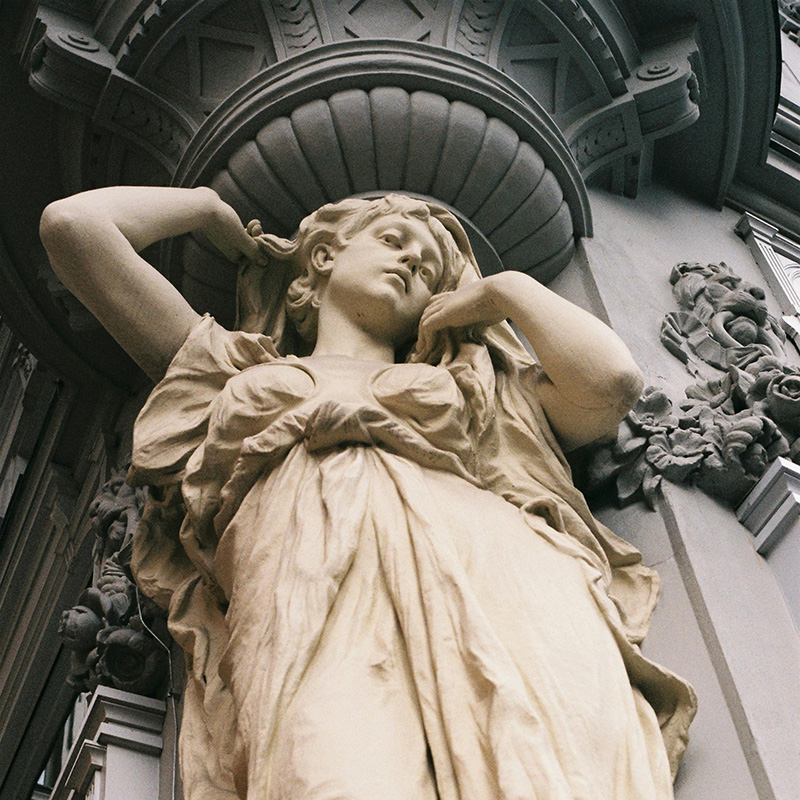
Join us as we examine the relationship between gender and nature in the ancient Greco-Roman world, where women were often portrayed in roles that denoted a special relationship with nature. They were mothers, witches, nymphs and virgin-huntresses of the wild. We’ll explore representations of the feminine in the literature, art, rituals and social practices of antiquity.
Art and the Anthropocene
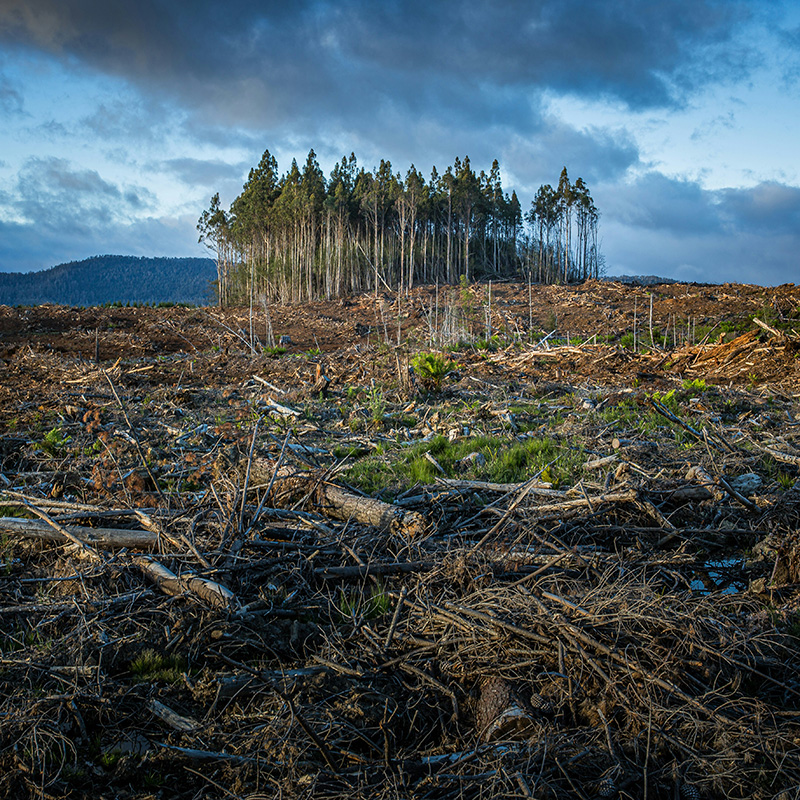
How does climate change take shape visually? How are landscapes shaped by cultures and beliefs? This advanced studio and practice-based seminar is an interdisciplinary inquiry using scientific understanding and cultural criticism to fuel your artistic production.
Your Questions Answered
In Environmental Humanities, you’ll study the intersection of nature and culture. Your coursework may include classes in Art, Philosophy, Religion, English and Global Literatures. Plus, you’ll take courses in the natural and physical sciences (like Biology, Chemistry, Geology and Physics) as well as the social sciences (like Anthropology, Economics, History, Politics and Sociology). It’s a truly interdisciplinary major.
A degree in Environmental Humanities will prepare you to be a strong thinker, writer and creator in almost any field you can imagine. You could go on to find meaningful careers in activism, art, journalism, education, business, law or conservation, just to name a few. You’ll graduate with soft skills that employers value and a deep understanding of how humans affect the environment.
Yes! Whether you want to learn how to effectively communicate science to the masses or explore complex environmental ethics in your own artistic voice, the Environmental Humanities major will hone your environmental writing skills.