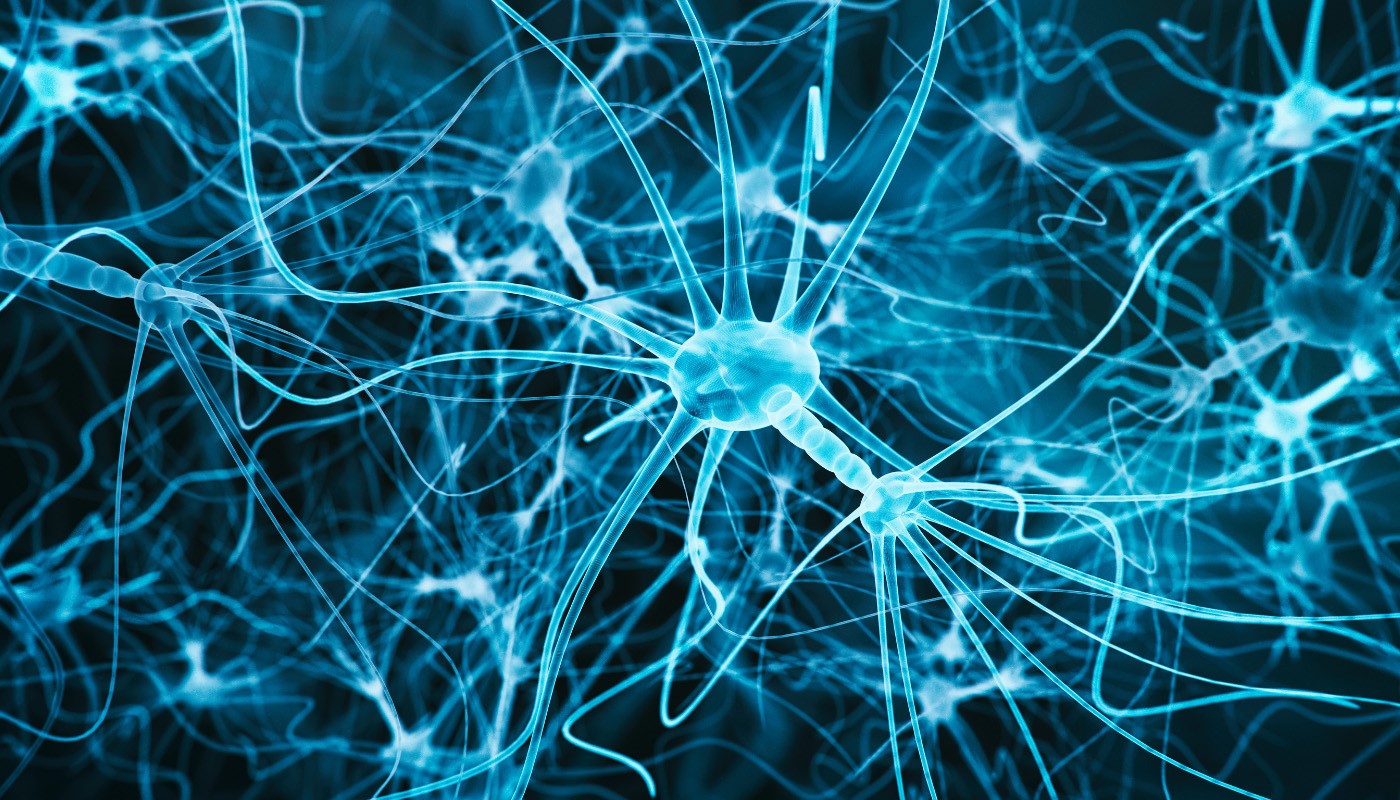

Brain, Behavior & Cognition
Explore where mind & brain meet.
What makes us who we are? How did the human mind evolve? How do our interactions with the world shape our brain? And how can we use neuroscience to address human health and well-being? If these are the kinds of questions that set your brain humming, then this is the major for you. Brain, Behavior and Cognition combines the best of Whitman’s Biology and Psychology programs into one challenging and fascinating neuroscience-focused major. This program will hone your research skills, teach you to think deeply and critically about the mind, and prepare you for a future as a scientist.
3 Reasons to Study Brain, Behavior & Cognition at Whitman

Get the Best of Both Worlds
You don’t have to choose between a rigorous science degree and a well-rounded liberal arts education. At Whitman, they go hand in hand. As you study Brain, Behavior and Cognition, you’ll draw links between Biology and Psychology, Philosophy and Anthropology, Chemistry and Computer Science. It’s all connected.

Do Research That Matters to You
Whitman students research, publish and present alongside their professors. You’ll graduate with valuable lab experience and an impressive resume from a summer research experience on campus, a semester at an international lab, or a paid internship at a research institute that aligns with your interests.

Be Challenged and Supported
At Whitman you’ll experience academic rigor grounded in collaboration, not competition. You’ll get individual attention from professors who are accomplished neuroscientists. And you’ll benefit from access to a growing network of alumni working in neuroscience-related fields.
Interested in Brain, Behavior & Cognition?
We’d love to send you information, including more on academic majors and student life at our beautiful campus in Walla Walla, Washington.
“I was interested in studying the intersection of psychology and biology. Cognition and behavior have a physical basis that can be studied scientifically with great precision. … I'm glad I studied neuroscience. It put me on the path to working in different scientific fields and helped me think really critically about the value of science in society.”
Our Whitman Student Voices BlogFaculty






Courses in Brain, Behavior & Cognition
See just a few of the fascinating courses you might take.

Introduction to Psychology
Start your study of neuroscience with this course that will introduce you to the vocabulary, methodology and principal fields of research in psychology. Explore topics like learning, development, personality, behavior pathology, emotions and social behavior as you begin your journey into the human mind.

Animal Development: Determination vs. Plasticity
The way an animal develops to maturity is largely a product of the evolutionary history of its species. Yet individuals can be altered profoundly by the circumstances in which that development takes place. In this course, you’ll draw on embryology and molecular analysis to explore the tug-of-war between genes and the environment in animal development.
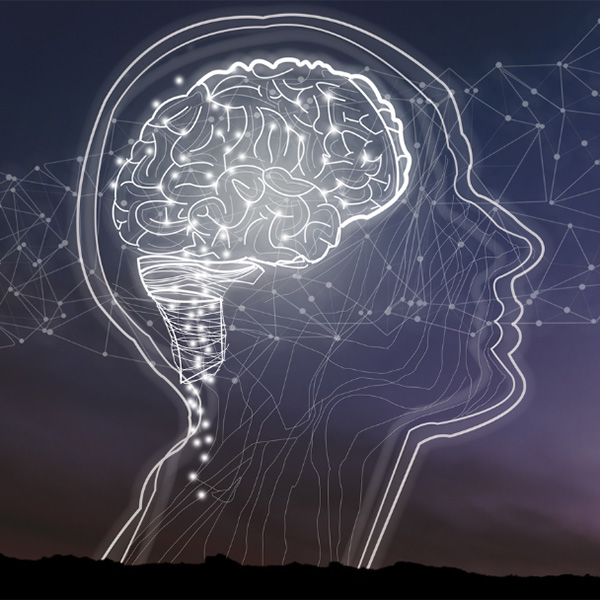
Cells to Brain to Mind
In this introduction to psychobiology, you’ll dive into the molecular and cellular workings of the brain—and find out how they are connected to behavior and mind. You’ll learn how information flows across neural networks. You’ll explore the biological basis for sensation and perception. And you’ll see how genes and the environment contribute to individuality.

Cognitive Psychology
How do we come to know and understand the world we live in? What is memory? How do we recognize patterns, solve problems and make decisions? In this course, you’ll aim to answer these questions and more as you discover the field of cognitive psychology—the science of how we think.
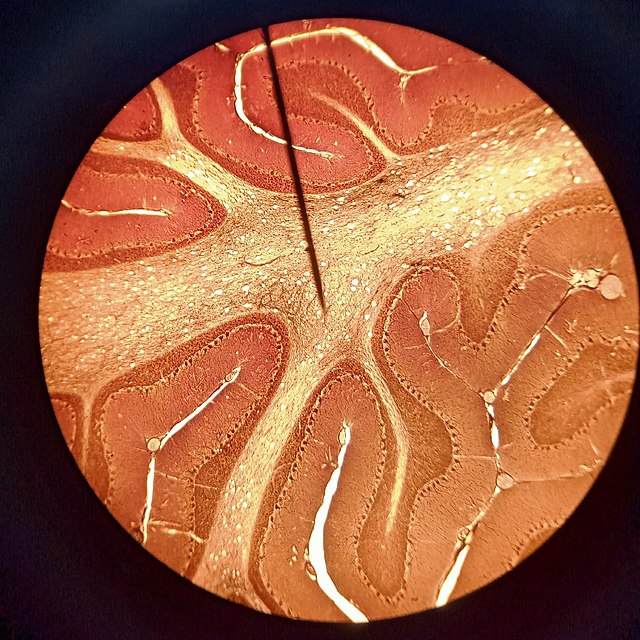
Neurobiology
In this course, you’ll investigate the cellular and molecular biology of neurons as you learn how the nervous system controls behavior. You’ll discuss what it’s like to become a working neuroscientist. And the accompanying lab will give you hands-on experience with the techniques neuroscientists use to study the brain.
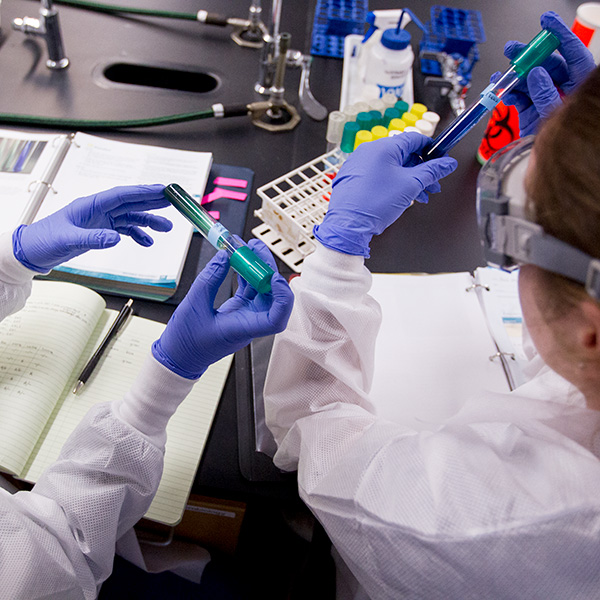
Senior Thesis
Based on original research you’ll conduct between your sophomore and senior years, this course is your chance to synthesize what you’ve learned from your courses, lab experiments, fieldwork and data analysis in the field of neuroscience. Your research and thesis will help transform you from a student to a scientist.
Amazing Experiences You Can Pursue
Explore possibilities in the Senior Seminar. You don’t have to wait for your own senior year to enjoy this gem of a course. In fact, we encourage you to take it more than once. With your fellow majors, you’ll hear from guest speakers, read the latest research articles, listen to seniors present their thesis projects, and start gathering inspiration for your own research ambitions.
Discover the world of science. Hoping to study abroad? There are many international programs with a strong neuroscience component to choose from. Off-campus study can give you a richer understanding of the field and valuable connections within the global science community.
Gain conference cred. Not only will you get to present your own research at the Whitman Undergraduate Conference, but Whitman students also often present at regional and national conferences alongside faculty. It can be a difference-maker on graduate school applications and resumes.
Your Questions Answered
Simply put, it’s the study of the nervous system and brain. Neuroscientists study the anatomy, physiology, biochemistry and molecular biology of nerves and nervous tissue. They can specialize in different areas, such as developmental neuroscience (how the brain develops and changes), cognitive neuroscience (how the brain controls thought, language, problem-solving and memory), behavioral neuroscience (how the brain, behavior and environment interact), or molecular neuroscience (how genes, proteins and other molecules make the nervous system work).
Yes! The brain is a fascinating thing to study, and a neuroscience major will change how you see the world. Neuroscience is a great choice for students who like to explore how different fields of science intersect. It incorporates aspects of biology, psychology, chemistry, physics and more. Your studies will include an interesting mix of lectures, labs and hands-on research. And it’s a flexible major. There are so many directions to take a neuroscience degree that you’ll be able to create a program that is tailored to your particular interests and ambitions.
A neuroscience degree will prepare you for careers in medicine, psychology or research. It gives you a strong and flexible anchor in the sciences. You’ll graduate with real research lab experience that graduate schools and employers value. And you’ll have finely honed critical thinking, speaking and writing skills. Graduates go on to medical school and other health professions, graduate research opportunities, counseling programs, community-based careers, and more.