
Astronomy
Explore the nature of the universe.
As one of the only top liberal arts colleges with an Astronomy major, Whitman College is an ideal place for you to explore the nature of the universe and satisfy your curiosity through scientific inquiry. In our Astronomy classes, you will learn how to develop and test your own theories about how the universe works. Then, with practical and technical skills, you’ll be ready to address important issues right here on Earth.
3 Reasons to Study Astronomy at Whitman
Do Research That Matters Right Now
Work with our supportive faculty to complete summer research, intern or write a thesis. Then present your findings at a conference, publish in a professional journal or go on to graduate school. Our Astronomy majors earn advanced degrees at top universities across the country.

Astronomy Taught Really Well
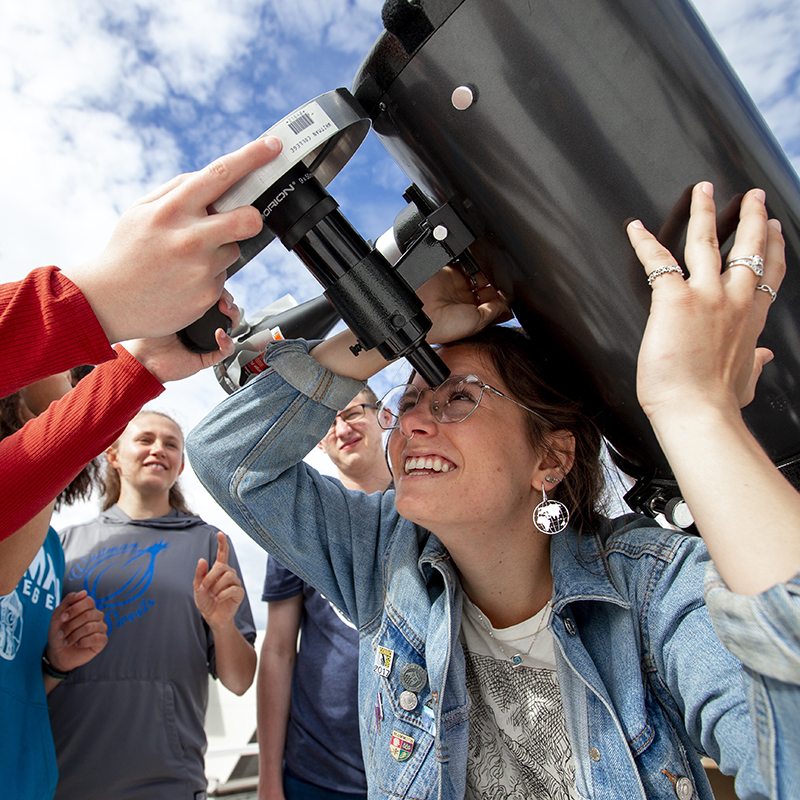
You’ll have excellent professors and peers—plus incredible resources, including an observatory, planetarium, specialized software and rooftop telescopes. We want you to love what you’re learning, all while mastering scientific, technical and computational skills.

It’s Relevant to the Real World
Astronomy continually requires the process of discovery. What will happen to us as our sun ages? How does atmosphere interact with planetary processes to alter life? Pursuing an Astronomy bachelor’s degree at Whitman means finding meaningful projects so you can collaborate and solve real problems.
Interested in Astronomy?
We’d love to send you information, including more on academic majors and student life at our beautiful campus in Walla Walla, Washington.
“I am fascinated by the unknown, and the process of exploration of the universe seemed to be about as close to the unknown as I could get. I also love learning about how things work and getting into the nitty gritty technical details of understanding the physical process of the world we live in and the universe we are a part of. Science is constantly evolving and I am excited about the process of discovery that the field of Astronomy presents to me.”
Our Whitman Student Voices BlogCourses in Astronomy
See just a few of the fascinating courses you might take.

Principles of Astronomy
For all interested students, this course is an introduction to our present knowledge of the universe and the historical development of humanity’s changing understanding of the cosmos. Or if you prefer, you can head straight for our core Astronomy major courses: Sky and Planets, Sun and Stars, and Galaxies and Cosmology.
Exoplanets and the Search for Life in the Universe
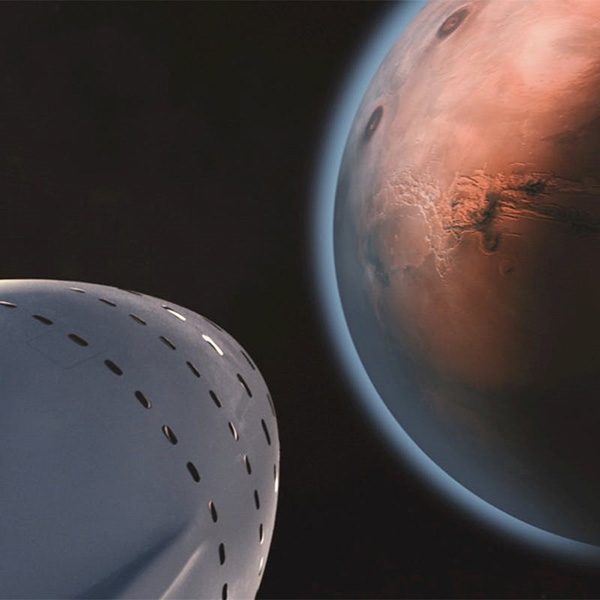
It’s a question that’s fascinated humans for centuries: Is there life on other planets? In this course, we’ll survey the planetary systems around other stars and discuss the latest research into the possibility of life elsewhere in the universe.
Astronomical Computing
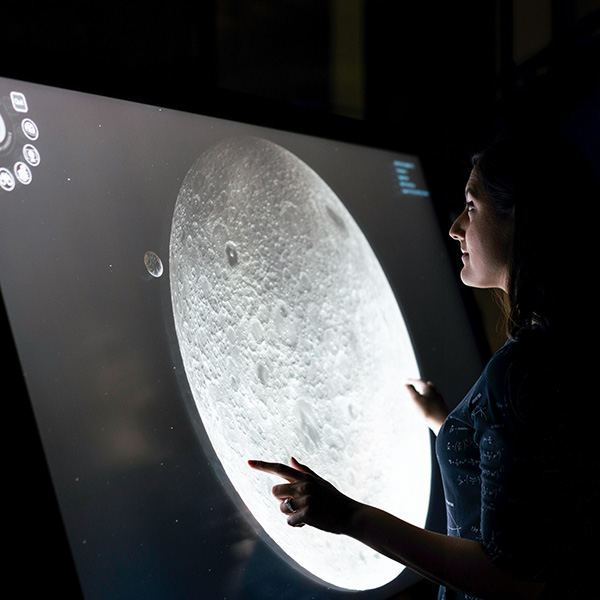
Astronomers rely heavily on computers to analyze and communicate their data. This course will shore up your computer skills—from navigating Linux to typesetting documents in LaTeX to programming in Fortran and Python—with a focus on preparing you for your role as a future astronomer.
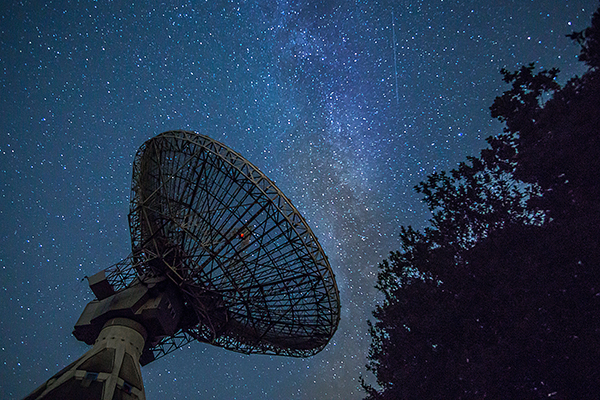
Galactic Astronomy
For Physics-Astronomy majors and majors in related sciences, this course is all about the constituents and structure of our own and other galaxies, the nature of quasars and active galaxies, and the large-scale structure of the universe itself.
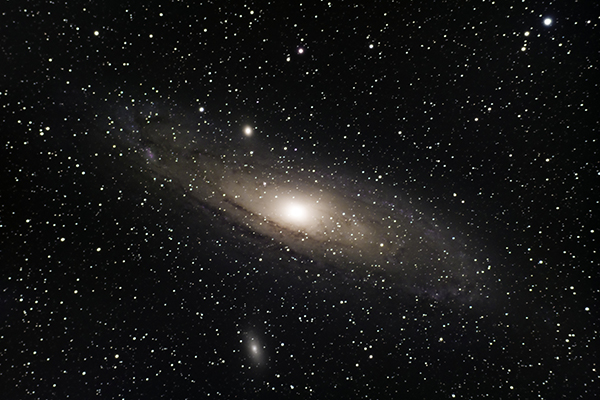
Cosmology
Dive in to the study of the universe: how it originated, the formation and evolution of structures, and the curvature of space and time. A fascinating and advanced course for Physics-Astronomy majors and majors in related sciences.
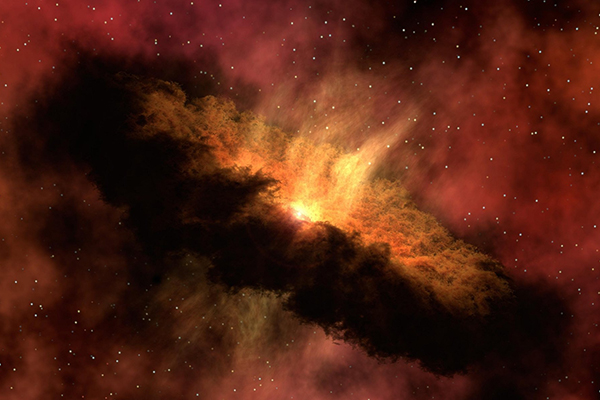
Observational Astronomy
How do observational astronomers learn about the universe from the full electromagnetic spectrum as well as gravitational waves? In this course, we’ll explore detector technologies, telescope design, data reduction and the current state of the art in ground- and space-based observational astronomy missions.
Combined Majors
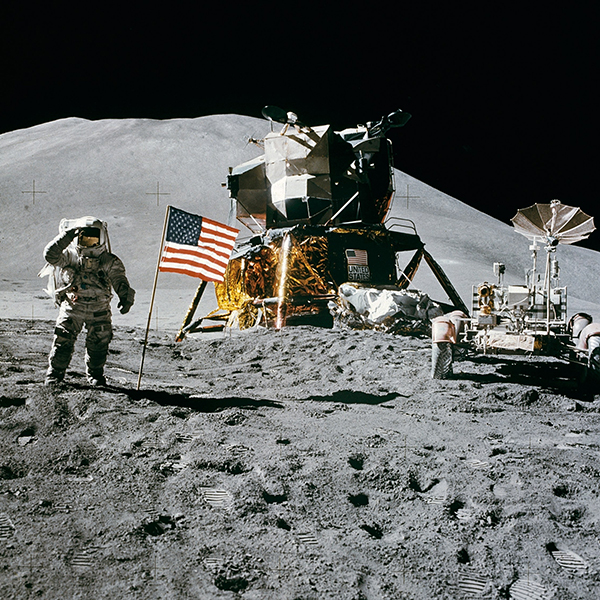
Amazing Experiences You Can Pursue
Combine majors related to Astronomy. Our Physics-Astronomy and Geology-Astronomy combined majors, as well as an Astronomy minor, allow you to fine-tune your education to match your interests.
Research on and off campus. Spend a summer under the dark and beautiful skies of Washington state peering through our telescopes to hone your observational techniques. Assist faculty members with collecting and analyzing data. Engage with researchers across the world in a virtual internship or REU (Research Experience for Undergraduates).
Have fun with science. Whitman Astronomy majors make a difference in the community through science demonstrations, planetarium shows and participation in our Women in Science Club. Come join the fun!
What Our Graduates Are Doing Now

Astronomy & Philosophy - Physics
Science Journalist

Astronomy & Physics
Postdoctoral Fellow at the NASA Jet Propulsion Laboratory

Astronomy & Physics
Space Scientist at NASA Ames Research Center
Your Questions Answered
Absolutely! The Astronomy major is a rigorous program that allows students to practice the technical, scientific and computational skills required for graduate-level astronomical science or astrophysics research. Astronomy majors regularly pursue research opportunities with faculty and create accomplished resumes with presentations, publications and community outreach experiences.
Not likely! Astronomy is a very flexible major. You can choose between tracks with or without a mathematical focus, so it’s tailored to your comfort level. And your lower-level classes will set you up for success with the knowledge and skills you’ll be building on in advanced courses. You can also combine Astronomy with other majors or minors to focus on the areas that interest you most, like astrophotography, science writing, celestial navigation or astronomical computing.
Yes! The Astronomy major emphasizes teamwork and collaboration, crucial skills for any path you choose after graduation. You’ll also have ample opportunities to hone your communication skills through writing, public speaking, and even teaching as a teaching assistant or teaching fellow on campus or as a planetarium guide for the community.
Not at all, but you do have to be eager and willing to learn and use programming for your studies. Programming is an important part of several Astronomy courses—and it’s an excellent tool for building your problem-solving and analytical skills. So it’s important to have the right resources to support you, such as computer labs, peer groups and clubs, and accessible and helpful instructors.