
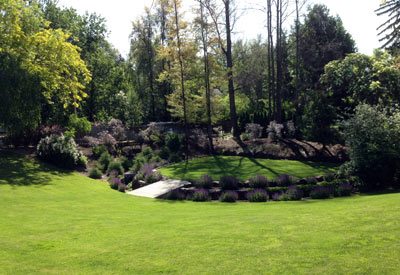
The outdoor amphitheatre is used for theater and music performances and is also a wonderful place for studying or quiet reflection.
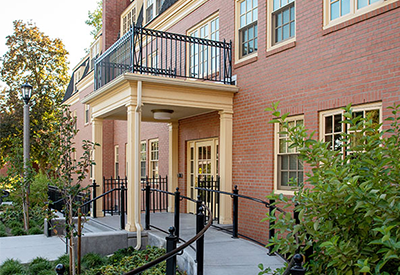
Anderson Hall is a traditional residence hall that accommodates up to 140 first-year students who live in six single-gender sections. Anderson features a large central lounge with floor-to-ceiling windows, is close to Cleveland Commons dining hall, and has an adjacent large outdoor area with a huge lawn and sand volleyball courts, plus a courtyard shared with Prentiss Hall. Anderson Hall first opened in 1954 as a women’s dormitory and was named in honor of Agnes Healy Anderson, whose estate funded its construction.
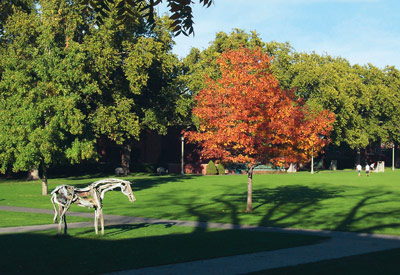
For more than a century, Ankeny Field has been at the center of campus life. No matter the season, you’ll find students studying, socializing and relaxing on Ankeny. In the fall, it’s the perfect spot to see the changing colors of the leaves. In the winter you’ll see students building snowmen and having snowball fights. On the first beautiful spring day, everyone pours onto Ankeny to soak up the sun, toss around a frisbee or football, and pet the dogs passing by with their walkers. Ankeny Field is named in honor of U.S. Senator Levi Ankeny.
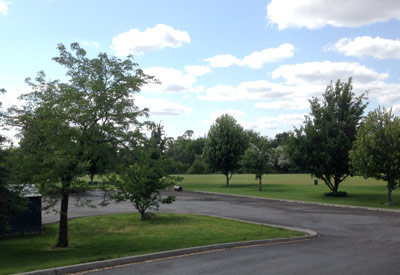
The Athletics Fields are located about three blocks north of Whitman’s campus, next to DeSales High School and at the end of Penrose Street. In 2023, the college added James Hayner Field, comprised of FieldTurf CORE, the only FIFA-approved artifical turf, which minimizes the risk of injury.
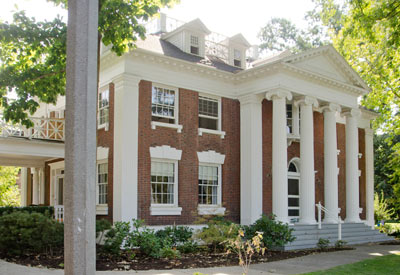
The colonial-style Baker Center was built in 1904 for Mabel Baker Anderson and Louis F. Anderson, a professor of Greek and Latin who was one of the first three faculty members at Whitman College. Today, Baker Center is home to the Alumni Relations and Annual Giving offices.
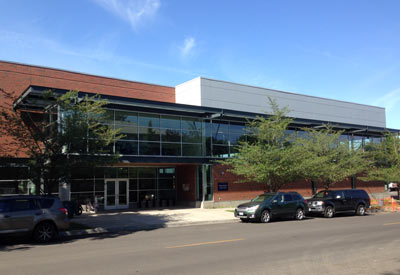
The Baker Ferguson Fitness Center, designed to meet the personal fitness needs of the Whitman community, is open to Whitman students, faculty, staff and alumni with their Whitman IDs. The 10,000 square-foot building has a private fitness center with weight-training and cardio equipment, showers and locker rooms. The center also houses the 25-meter The Paul and Louise Harvey Pool, home to the men’s and women’s swimming teams, and the pool is also used for swim lessons, lap swim and kayaking. The center was named for local winery founder and Whitman alum Baker Ferguson of the Class of 1939.
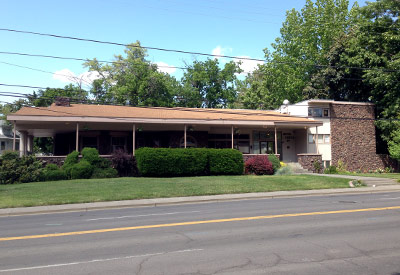
Whitman College’s Gamma Zeta chapter of the Beta Theta Pi fraternity was founded in 1916. The members of the chapter adhere to the mission of Beta Theta Pi and the motto, “Cooperation Makes Strength.”
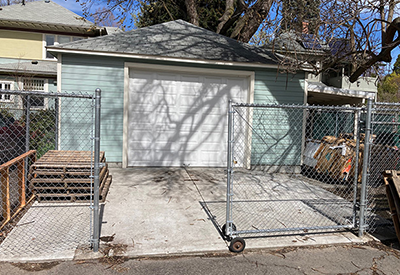
The Outdoor Program Bike Shop offers reasonably priced bike maintenance and repairs, mountain bikes for rent, and a small variety of retail merchandise, including bike tubes, lights, locks and bags. The Bike Shop is located in the alley directly behind the French House and the Outhouse special interest houses, next to the cardboard recycling on Merriam Street by the Health Center.
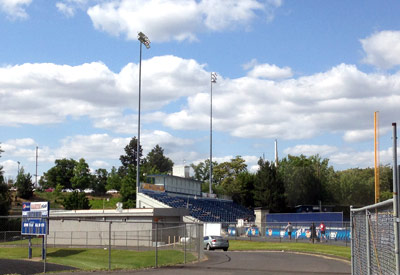
The 2,200-seat capacity Borleske Stadium, named for legendary athlete and coach Raymond V. Borleske ’10, is home to the Whitman College men's baseball team, the Blues, and also home to the Walla Walla Sweets, a local West Coast League summer collegiate baseball team.
The Bracher Observatory, which is 9 miles north of town on Erickson Farm, has a 16-inch Newtonian telescope.
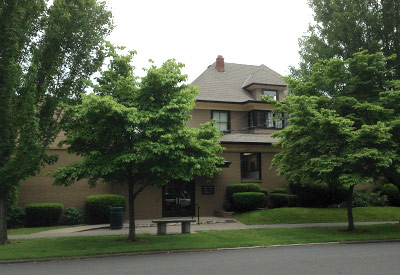
Boyer House is home to the Office of Communications.
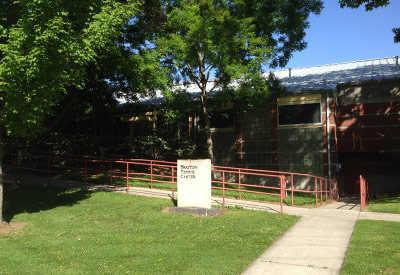
The Bratton Indoor Tennis Center is named in honor of former Whitman College president Walter A. Bratton. The 28,000-square-foot masonry building houses four indoor courts and is home to Whitman’s men’s and women’s varsity tennis teams.
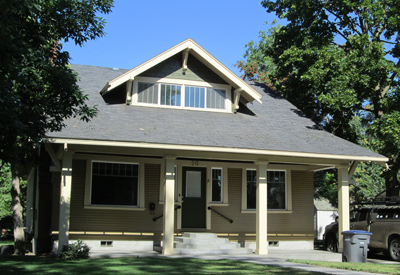
The Chinese Language and Culture House (华文苑) is part of the Interest House Community. Previously called the Asian Studies House, it has five bedrooms that can comfortably host an average of six to seven residents, one resident assistant and a language assistant. The Chinese House collaborates with the Chinese Department and is assigned an adviser from the department.
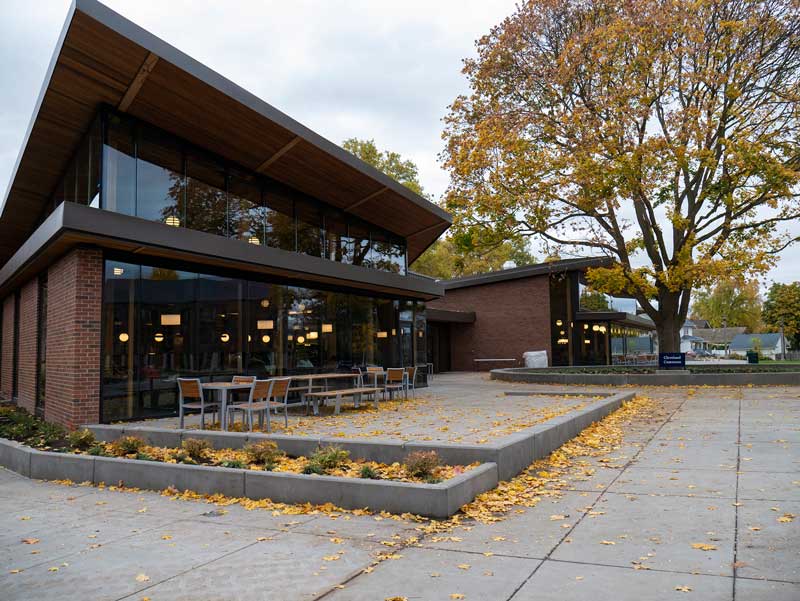
Cleveland Commons, a 500-seat dining hall operated by Bon Appétit, serves the entire campus community and is open to the public. Dining is marketplace-style and offers many changing daily options—pizza, sushi, noodles, comfort food, global cuisine, a deli, soup, a salad bar and a coffee shop. The building, named after longtime Dean of Students Chuck Cleveland, was designed with an eye for sustainability, is LEED Gold-level certified, has solar panels, and some features were made from reclaimed wood from fallen trees on campus.

On the south side of the Sherwood Athletic Center, you’ll find the Whitman College Climbing Center. The custom-designed main wall is over 100 feet long and 32 feet high. There is a bouldering area with overhangs and more. The facility is fully enclosed and was designed by the same company that built REI’s Pinnacle Climbing Wall in Seattle. You can find students of all skill levels using the climbing wall. There are open climb hours and beginning climbing classes. Many students hone their skills on the wall, and then participate in climbing trips and become climbing instructors themselves.

College House is a residence hall available to sophomores, juniors and seniors. It has a capacity of about 35 students, with furnished double, triple, quad and six-person apartment options.
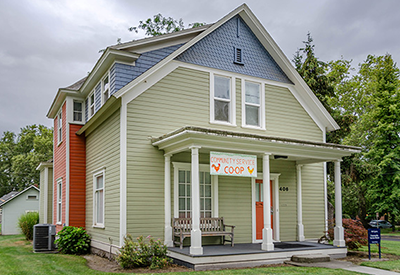
The Community Service House focuses on promoting community service to Whitman students. The house has six rooms and can house up to seven residents and one resident assistant. The Community Service House is part of the Interest House Community.
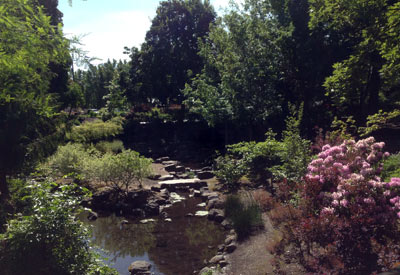
A beautiful, park-like location along College Creek near Penrose House. Also referred to as “Narnia.”
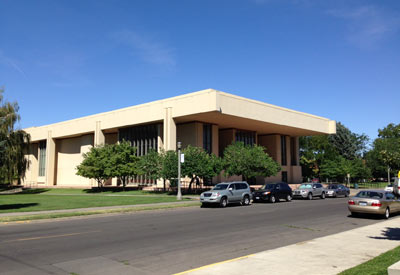
Cordiner Hall is the largest performance venue on campus and in Walla Walla, seating up to 1,300 people at a time. It is used by Whitman College for large campus events such as Convocation at the start of each academic year. Cordiner Hall is also rented by local community groups such as the Walla Walla Symphony for their public events and concerts. Cordiner Hall is named in honor of Ralph J. Cordiner, Class of 1922. See the upcoming schedule of events.
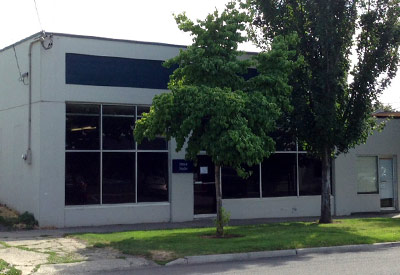
The Dance Studio serves as both a classroom and a performance space for Whitman’s Dance program.
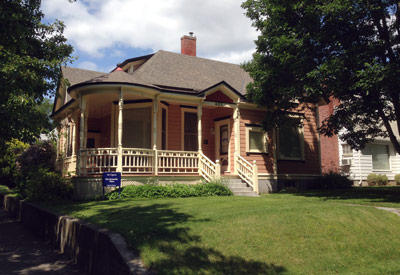
Das Deutsche Haus (The German House) has five bedrooms and can comfortably house six residents and one resident assistant. This house focuses on hosting German culture and language-oriented events. Das Deutsche Haus is affiliated with, and is assigned an advisor from, the German Studies Department. Das Deutsche Haus is part of the Interest House Community.
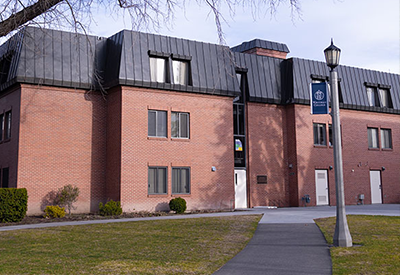
Douglas Hall is a residence hall that houses around 80 sophomores and juniors, and is conveniently located just north of the Cleveland Commons dining facility. The hall features both single rooms and suites that each accommodate up to eight students. The suites are designed around a central courtyard, creating a welcoming space for barbecues and other casual gatherings. Douglas Hall is named after Supreme Court Justice and Whitman alum William O. Douglas from the Class of 1920.
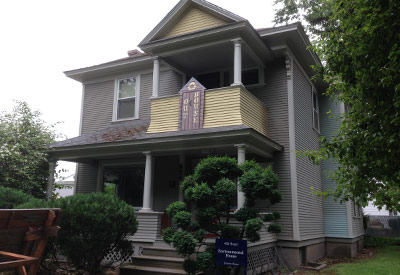
The Environmental House, more commonly known as the “Outhouse,” has six bedrooms and houses an average of eight residents and one resident assistant. The Outhouse focuses on environmental and ecological issues and spearheads the campus’ recycling program. The Outhouse is affiliated with the Environmental Studies Department and collaborates with an advisor from that department. The Outhouse is part of the Interest House Community.
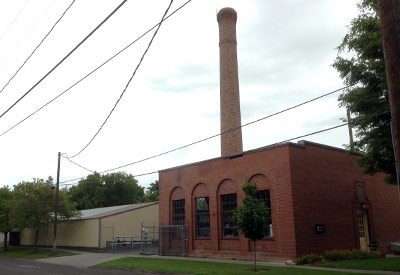
Facilities Services, formerly known as Physical Plant Services, is located on the north end of campus. Facilities is responsible for keeping Whitman College working efficiently—from cutting the grass to fixing the heating system, painting the walls to vacuuming the residence halls, and repairing vehicles.
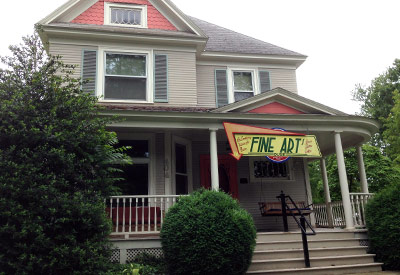
The Fine Arts House has four bedrooms and comfortably houses an average of six residents and one resident assistant. Residents work to promote programs emphasizing studio art, theater and music. The Fine Arts House is affiliated with the Art Department and is assigned an adviser from that department. The Fine Arts House is part of the Interest House Community.
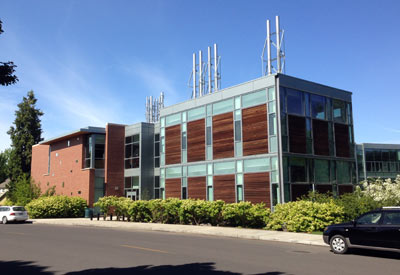
The Fouts Center for Visual Arts is a 38,000-square-foot facility that provides space for the college’s Art Department. The center is a focal point for artistry on campus with specialized spaces for classes in drawing, ceramics, welding, digital arts, painting, sculpture, photography, printmaking and book arts. The spacious and modern facility can accommodate more than 500 students. It features bright and airy classrooms, gallery spaces and art pieces. Students enrolled in art classes have 24/7 access to the building. Senior art majors have access to personal studio spaces during their final year on campus.
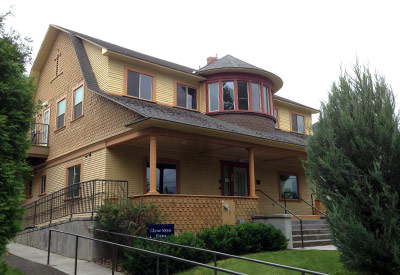
The Glover Alston Intercultural Center (GAIC, “the gack”) is a space that fosters intercultural awareness, inclusiveness and respect for all. The space coordinates several equity programs and works to support students in navigating potential structural barriers to success through individualized guidance and resources.
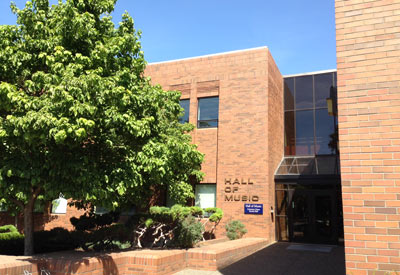
The Hall of Music features the Catharine Chism Recital Hall—a 300-seat performance space—as well as an electronic music and recording studio, music technology and production lab, a large rehearsal hall, 14 teaching studios and 25 practice rooms. The Music Department calls this building home with students specializing in music composition, jazz, musicology, performance, production and theory. Students of all experience levels and majors perform with Whitman’s music ensembles, including chorale, jazz, wind ensemble and orchestra, as well as a variety of smaller ensembles.
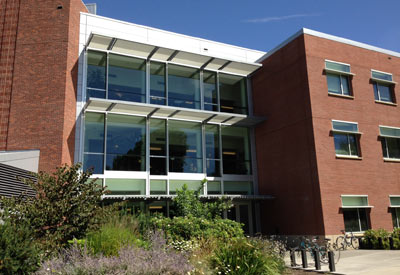
The Hall of Science houses most of Whitman’s science departments and classrooms, an auditorium and the STEM Hub—along with Clise Planetarium, a rooftop observatory, a greenhouse and cutting-edge research instrumentation. Students have the opportunity to do groundbreaking research right alongside their professors. You can see some of that research when you walk inside the Hall of Science—the walls are covered in specimen collections, exhibits and research projects.
More Information

The Harper Joy Theatre is home to the Theater and Dance Department and produces public shows throughout the academic year in two main performance spaces. The Alexander Stage seats more than 300 spectators and has a revolving center stage, two side stages, a full orchestra pit and a balcony. The Freimann Studio Theatre is a black-box space for smaller-scale productions. There’s also an acting studio, a scene shop, a design classroom, a computer lab and a costume shop. Any student can audition for performances, regardless of their major, and show tickets are free for Whitman students.

One of the three buildings comprising Nancy Serrurier Village, Harvey Hall offers apartment-style semi-furnished housing for juniors and seniors living on campus. Students living here also have access to shared community spaces and laundry facilities. Harvey Hall is named after Peter Harvey, Class of 1984, who served as the longest-serving Chief Financial Officer in Whitman’s history.
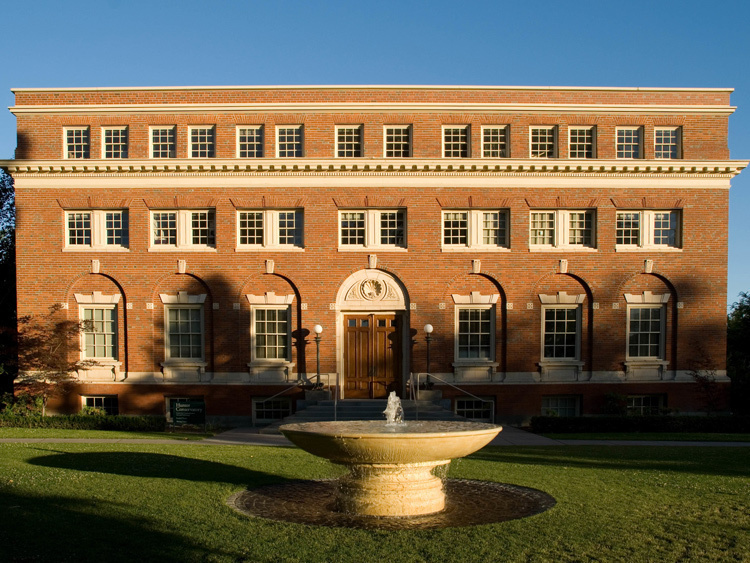
Hunter Conservatory is one of the oldest buildings on campus and home to the Film & Media Studies Department. A stained glass skylight tops off a multi-story atrium that is an original and dramatic architectural feature. Hunter Conservatory also houses Kimball Theatre, a 120-seat recital and lecture hall named in honor of Ruth Baker Kimball, Class of 1931, who served the college as a distinguished volunteer for many years. A variety of events are held here, including music performances by campus acapella groups, improv shows, film screenings and the annual Visiting Writers Reading Series.
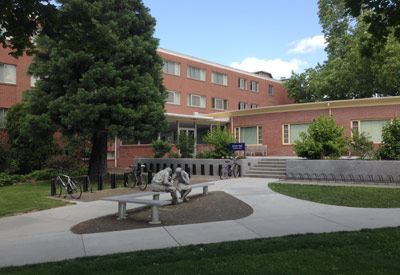
Jewett Hall houses nearly 170 first-year students with varying room sizes containing unique daybeds that convert between sitting and sleeping configurations. It has spacious lounges with kitchens, a recreation room, laundry facilities, and also houses Jewett Café, a coffee shop with grab-and-go meals, snacks, and space for studying and socializing. The building is connected to Lyman Hall and conveniently located next to Ankeny Field.
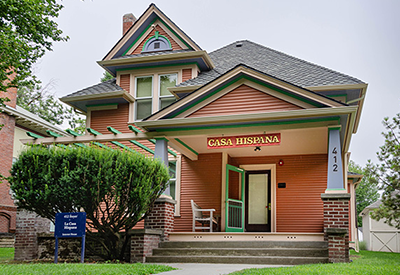
La Casa Hispana (The Spanish House) has five bedrooms and houses an average of seven residents and one resident assistant. La Casa Hispana is affiliated with, and is assigned an advisor from, the Hispanic Studies Department. La Casa Hispana is part of the Interest House Community.
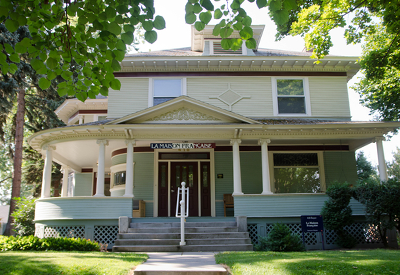
La Maison (The French House) has seven bedrooms and comfortably houses an average of eight to nine residents and one resident assistant. La Maison is affiliated with, and works with a faculty advisor from, the French and Francophone Studies Department. La Maison is part of the Interest House Community.
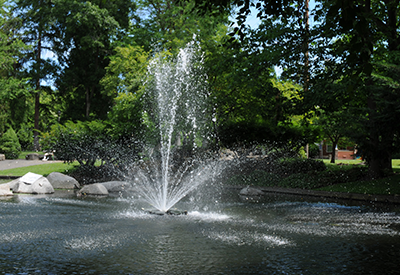
No visit to campus is complete without a trip to Lakum Duckum—a scenic spot for quiet study at the center of campus. And at Whitman, we love our ducks! This geothermal spring really comes alive in the springtime when the ducklings begin to hatch. It’s not uncommon to hear students, faculty and staff speaking to the ducks as they pass, or to see traffic stopped on Boyer Avenue to allow groups of ducklings to cross the street.
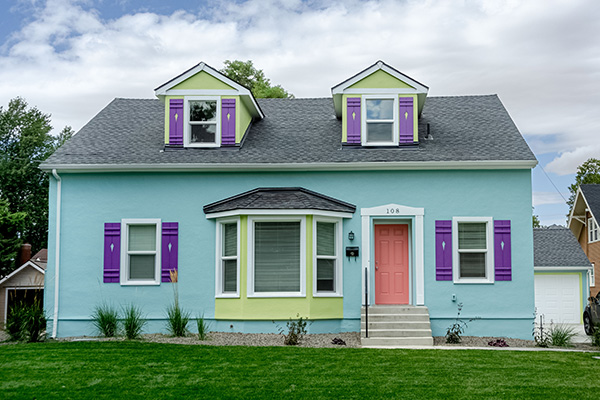
The Lavender House is focused on providing programming, community building and learning opportunities for students across campus in regards to LGBTQIA2S+ communities, identities and experiences. This interest house comfortably houses 8–10 residents including a resident assistant in a mix of single and double rooms. The Lavender House is part of the Interest House Community.
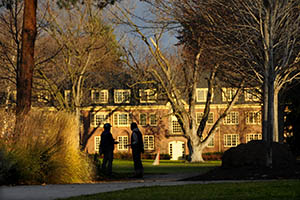
Lyman House is the oldest residence hall on campus and is known for its charm, friendly atmosphere and modern amenities. It is a mixed-gender residence hall with two-room suites housing nearly 90 mostly first-year students. A community kitchen connects Lyman House to Jewett Café, which is in turn connected to Jewett Hall.
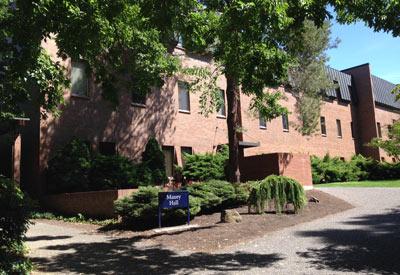
Maxey Hall is home to the many departments of the social sciences division, a natural history and anthropology museum and the fully-accessible Deshler Auditorium. The Maxey Museum has been providing opportunities for Whitman students to make history come alive since 1899 with its many exhibits and extensive collection.
More Information
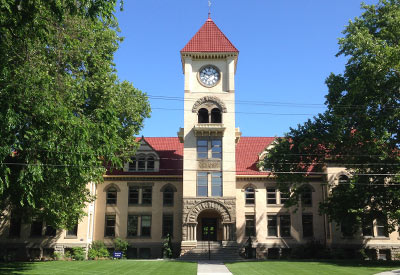
With its clock tower peering out above the trees, Memorial Building is an iconic architectural landmark of Whitman’s campus. Completed in 1899, Memorial Hall is the oldest building on campus and is listed on the National Register of Historic Places. Commonly referred to as “Mem,” Whitman’s main administrative building houses many critical offices that support students, staff and faculty.
More Information
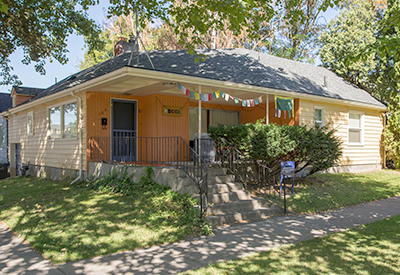
The Multicultural House has four bedrooms and comfortably houses an average of four residents and one resident assistant. This interest house focuses on raising diversity awareness on Whitman’s campus by celebrating and promoting different cultures. The Multicultural House is affiliated with the Glover Alston Intercultural Center and is assigned an adviser from this office. The Multicultural House is part of the Interest House Community.
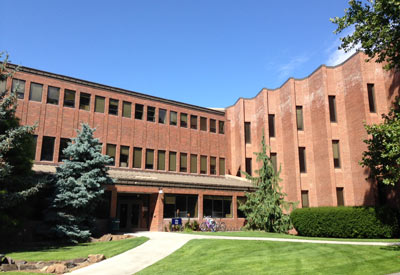
Olin Hall is home to various humanities departments, academic and tutoring services for students, a 120-seat auditorium, as well as computing and math labs. Olin Hall also contains the Donald H. Sheehan Art Gallery, which hosts professional and diverse artists, with exhibits that are open to the public.
More Information
-
- Academic Resource Center
- Art History Department
- Center for Writing and Speaking (COWS)
- Chinese Department
- Classics & Classical Studies Department
- Computer Science Department
- Disability Access Services
- English Department
- French & Francophone Studies Department
- German Studies Department
- Hispanic Studies Department
- Mathematics & Statistics Department
- Philosophy Department
- Religion Department
- Rhetoric, Writing & Public Discourse Department
- South Asian and Middle Eastern Studies

The Whitman Organic Garden, located a short walk from campus, includes a wide variety of annual and perennial vegetables, fruits and herbs. It's also home to a small flock of egg-producing chickens. An ASWC-sponsored club maintains the garden and organizes events to open the space up to everyone.
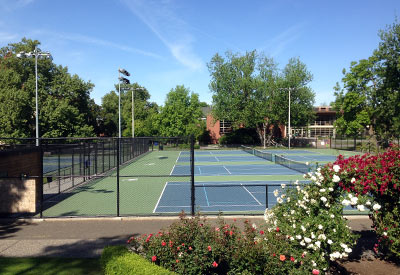
The Outdoor Tennis Courts are located between the Memorial Building and Maxey Hall. These courts are open all day and available to anyone in the community, with priority given for use by Whitman’s varsity tennis team practices, tennis classes and students.
The Pacific Northwest Regional Observatory located at Braden Farm near Wallula Gap provides Astronomy students the opportunity to use a 30-inch Cassegrain telescope.
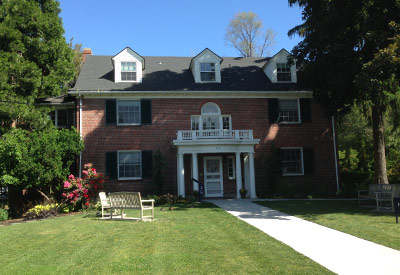
Penrose House is home to the Office of Admission. Campus tours exploring all that the Whitman community has to offer begin here—it’s one of the first places prospective students and guests will visit. Built in 1921, Penrose House originally served as the residence of the Whitman College president, and was named in honor of Whitman’s third president, Stephen B.L. Penrose.
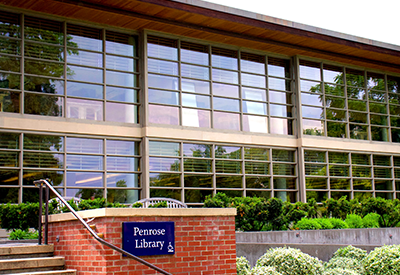
Penrose Library is central to the academic life of the Whitman community. A dedicated group of librarians, archivists and researchers have curated a collection of more than 670,000 print volumes, 860,000 e-books, 150,000 journal titles, 50,000 streaming videos and 200 databases. Penrose Library is also home to the Whitman College and Northwest Archives, documenting the history of Whitman College and the Walla Walla region. The archives include 4,800 feet of archival material and more than 8,000 rare books. The library’s four floors include many spots for reading and study breaks with views of Ankeny Field.
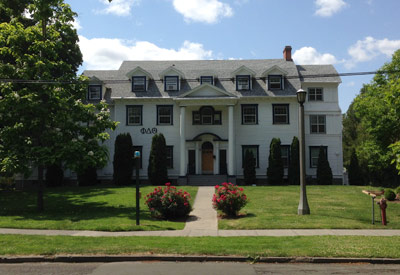
Whitman College’s Washington Beta chapter of Phi Delta Theta was founded on campus in 1915. The chapter house has a dining room, a study room and a recreation hall with a pool table and ping pong table.
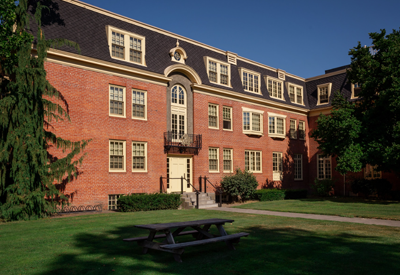
Conveniently located between Cleveland Commons and Boyer Avenue, Prentiss Hall houses up to 145 women-identifying and gender nonbinary students. The residence hall is also home to Whitman’s four sororities: Alpha Phi, Delta Gamma, Kappa Alpha Theta and Kappa Kappa Gamma.
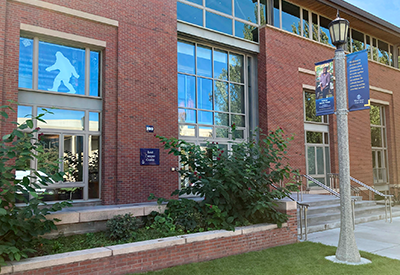
The Reid Campus Center is one of the hubs of campus life.
More Information
- ASWC (Associated Students of Whitman College)
- Campus Post Office
- Career and Community Engagement Center
- KWCW 90.5 FM
- LGBTQIA+ Student Services (and Queer Resource Center)
- Outdoor Program and Rental Shop
- Reid Market
- Religous & Spiritual Life
- Sorority & Fraternity Life
- Stevens Gallery
- Student Clubs & Organizations (Involve)
- Whitman College Book Store
- Whitman Debate and Forensics
- Whitman Events Board (WEB)

One of the three buildings comprising Nancy Serrurier Village, Robart Hall offers apartment-style semi-furnished housing for juniors and seniors living on campus. Students living here also have access to shared community spaces and laundry facilities. Robart Hall is named after Emeritus Trustee and Western District Court Judge James Robart, Class of 1969.
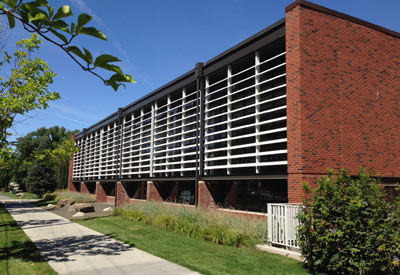
Sherwood Athletic Center is a hub for all things athletic. It has Whitman’s main gym where varsity basketball and volleyball games are held and the student section is always enthusiastic. It also includes the Climbing Center, a multipurpose gym and team locker room space for Varsity Athletics, as well as racquetball, pickleball-slash-handball courts and saunas. These facilities are open to all students, faculty and staff. In the winter, intramural clubs host basketball and dodgeball tournaments at Sherwood.
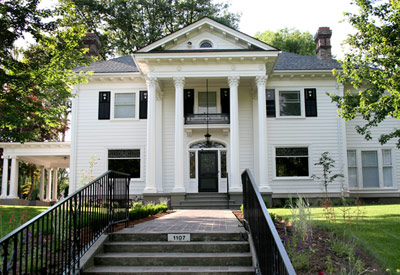
Built in 1922, Sherwood House has served as the residence of the President of Whitman College since 1995.
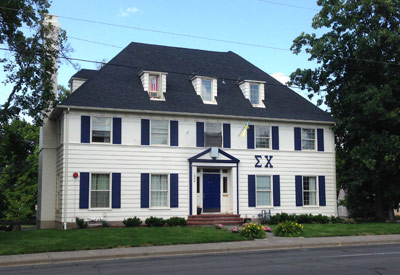
Whitman College’s Gamma Epsilon chapter of Sigma Chi was founded on campus in 1923.
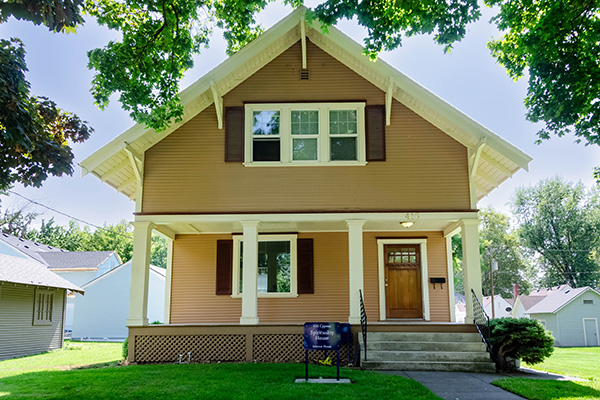
The Spirituality House is a three-bedroom house that can house an average of four students. Students living in this interest house have the opportunity to live out the fullness of their religious, cultural, spiritual, moral, and philosophical traditions/explorations in relationship with others. The Spirituality House is affiliated with the Office of Religious and Spiritual Life. The Spiritual House is part of the Interest House Community.
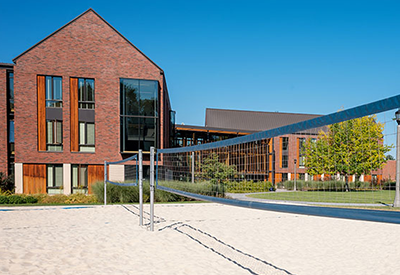
Stanton Hall houses up to 150 students, mostly sophomores. Designed to create a sense of community, Stanton Hall is entirely gender-inclusive, with gender-inclusive restrooms and bathing facilities. Students who live in Stanton love the double beds, huge lawn, fire pits, sand volleyball courts and outdoor study areas. A short walk across the lawn is Cleveland Commons, Whitman’s central dining hall.

One of the three buildings comprising Nancy Serrurier Village, Stegner Hall offers apartment-style semi-furnished housing for juniors and seniors living on campus. Students living here also have access to shared community spaces and laundry facilities.Stegner Hall is named after former Idaho Supreme Court Justice John Stegner, Class of 1977, and award-winning educator Laurie (Elgee) Stegner, Class of 1980.
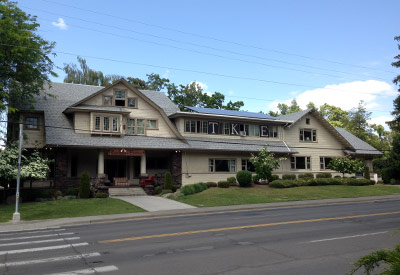
Whitman College’s Alpha Theta chapter of the Tau Kappa Epsilon fraternity was founded on campus in 1930.
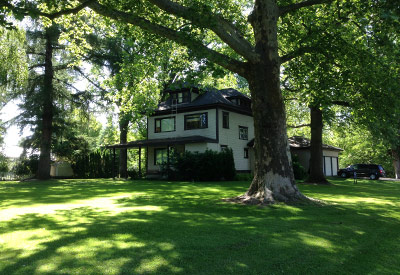
The Tekisuijuku (滴水塾) is a residential interest house that serves as a home for an average of five students interested in speaking Japanese and learning more about Japanese culture. The Tekisuijuku is part of the Interest House Community.
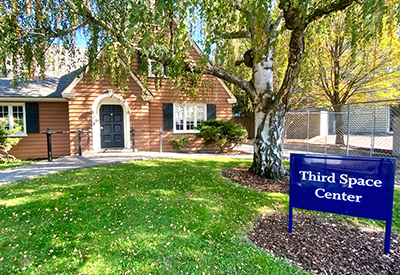
The Third Space Center is a campus resource designed to center the needs, concerns, interests, histories and cultures of the wide-ranging communities of color at Whitman—a space where students of color can feel safe from microaggressions and feel free to fully express their identities. Designed in collaboration with students, staff, faculty and the Confederated Tribes of the Umatilla Indian Reservation, the center also organizes programs to help the whole Whitman community better understand the complexities of race, racism and race relations.
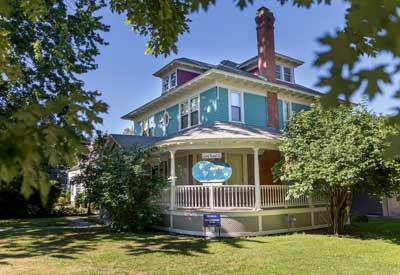
The Wellness House has four bedrooms and houses an average of five residents and one resident assistant. Residents of this interest house focus on raising campus awareness about world issues such as hunger, population, and human rights. The Wellness House is part of the Interest House Community.
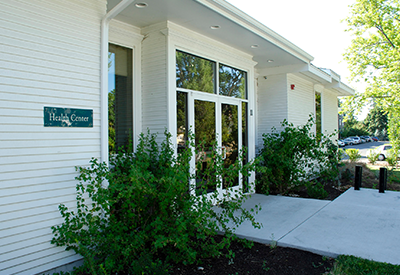
The Welty Health and Counseling Center takes a holistic approach to student well-being by addressing physical, mental and emotional health in an integrated and coordinated way. To schedule an appointment, call 509-527-5281 or email healthcare@whitman.edu.
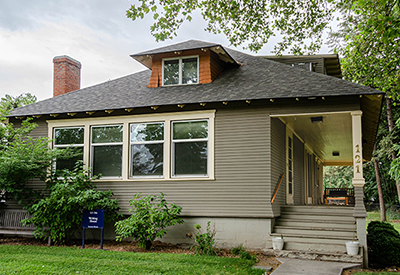
The Writing House provides a strong creative atmosphere for students to live together and improve their writing abilities. The house has four bedrooms with space for an average of six residents and one resident assistant. The Writing House is assigned an adviser from the English Department. The Writing House is part of the Interest House Community.
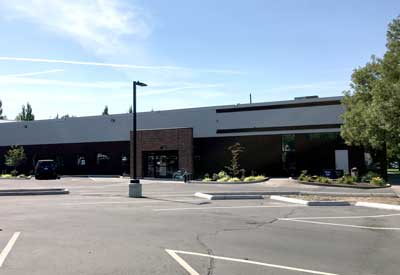
The Whitman College Technology Services building is home to the offices of Conferences, Events & Scheduling, Environmental Health and Safety, Security and Technology Services.