PROFESSOR PAUL H. YANCEY

Carl E. Peterson Endowed Chair of Sciences
Biology Dept., Whitman College, Walla Walla WA 99362 USA
509 527 5498

Click here for:
TEACHING

Click here for:
RESEARCH

Paul H. Yancey earned his B.S. (with honors) in Biology from the California Institute of Technology, where he did undergraduate research on DNA-RNA hybridization. He received his Ph.D. in Marine Biology (specializing in marine animal physiology and biochemistry) from the Scripps Institution of Oceanography (U.C. San Diego), working mainly on osmoregulatory biochemistry of sharks. His research focuses on WATER STRESS and OSMOREGULATION, and has since expanded to include medical (kidney osmoregulation) and salmon as well as marine organisms, most recently in the deep sea.
Dr. Yancey did postdoctoral work on salmon, sharks and other fishes at the
University of St. Andrews, Scotland, the Marine Laboratory, Plymouth, England, and University of Oslo, Norway, before joining the Whitman faculty in 1981. He has done other marine/aquatic and medical research during summers and sabbaticals at the Oregon State University Marine Laboratory; the National Institutes of Health (Bethesda); the Mt. Desert Island Biological Laboratory (Maine); Stanford's Hopkins Marine Station (Monterey); Louisiana State University; the University of Otago, New Zealand, Hawai'i Institute of Marine Biology, and MBARI (Monterey Bay Aquarium Research Inst.). He has been on many deep-sea expeditions, e.g., on the Wecoma, Thompson, Atlantis/Alvin. He has given talks in many states, and in Canada, the U.K., Belgium, Switzerland, Japan, New Zealand, Botswana and Brazil on marine and medical research.
His hobbies include woodworking, stained glass, hiking, gardening, photography.

..
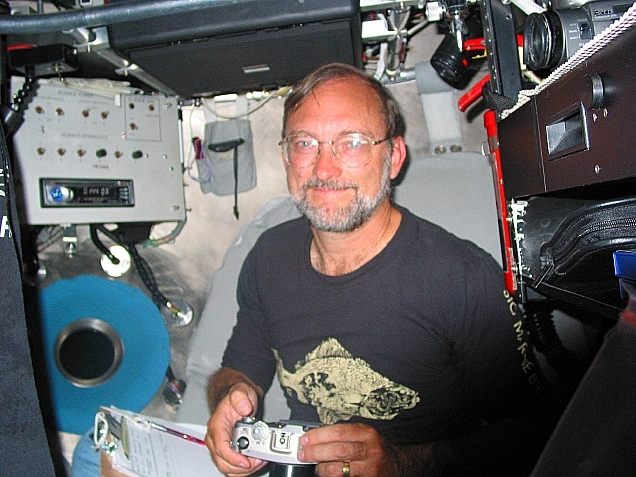
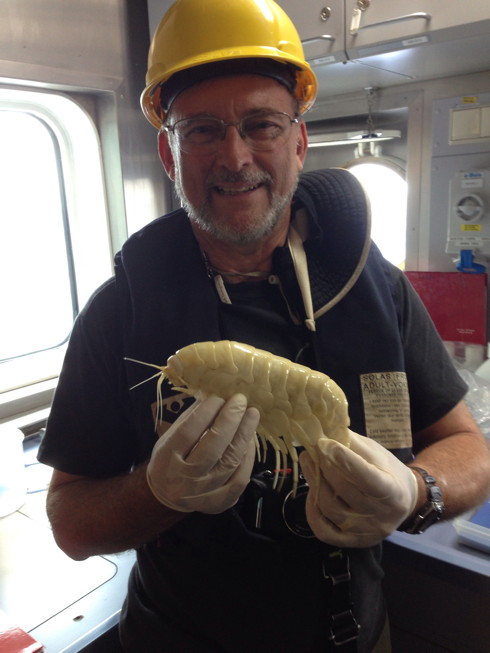
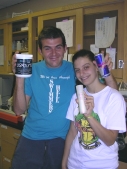
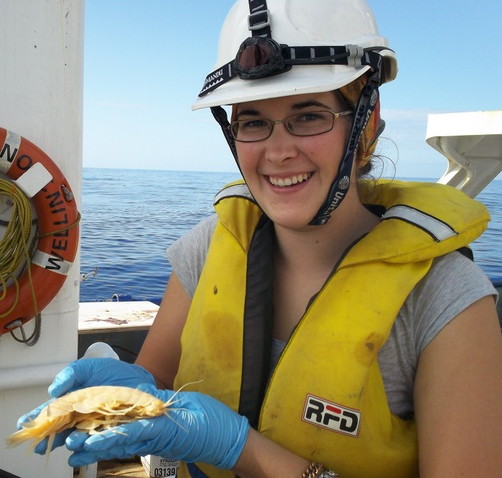
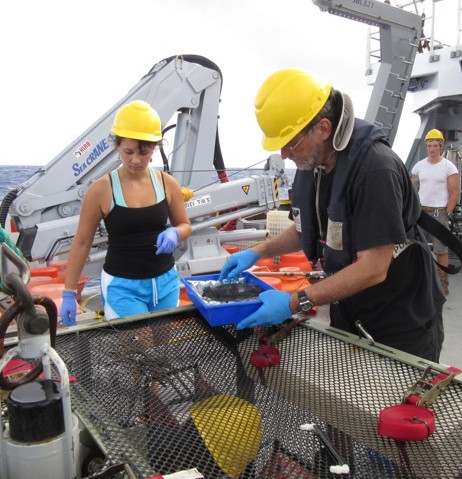
Aboard the Research Vessel Wecoma; with a student and colleague aboard the
Research Vessel Atlantis
; in the submersible Alvin


TEACHING: Prof. Yancey's courses and other teaching activities are listed below, and can be accessed by clicking the blue links:


Courses taught:


Educational sites on adaptations:


Physiology*
310

Human Anatomy & Physiology 120

Marine Biology
178, 179: Non-majors
278, 279

Bioethics
401/402

Student Research
489,490,498


DEEP-SEA
Educational Website

African & Australian Animal
Adaptations Website

*Dr. Yancey is a co-author of a 2005 TEXTBOOK: ANIMAL PHYSIOLOGY by Sherwood, Klandorf, Yancey (Brooks-Cole)

Back to top of page


RESEARCH: Prof. Yancey's research is described below, and can be accessed by clicking the blue topics:


RESEARCH OVERVIEW (below)


TEAM

OSMOLYTE

.

Area 1. MARINE/DEEP-SEA RESEARCH

Area 2. MEDICAL/MAMMALIAN RESEARCH

Back to top of page

OVERVIEW: RESEARCH is on the physiology and biochemistry of animal adaptation, particularly related to water and osmoregulation from humans to deep-sea animals.
Most of the research in Prof. Yancey's laboratory focuses on Organic Osmolytes. Osmolytes are compounds that cells may accumulate when they are under dehydrating osmotic stress. Such stresses include high salinity (as in seawater, or in the interior of the mammalian kidney), high evaporation (as in deserts), freezing, dietary imbalances, and diseases (e.g., osmotic stresses caused by diabetes mellitus). Organic osmolytes are certain compounds which can be built up in cells to elevate osmotic pressure and which, unlike salt ions, do not disrupt cellular macromolecules. In addition to regulating cellular water balance.


Trimethylamine
oxide (TMAO)

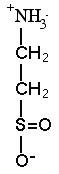
Hypotaurine
[add O or an SH to the S-group to form taurine or thiotaurine, respectively]

CURRENT OSMOLYTE RESEARCH is on:
1) counteracting pressure in DEEP-SEA animals (with Jeff Drazen, U. Hawai'i),
2) sulfide tolerance in animals of hydrothermal VENTS and gas SEEPS (with Ray Lee, Washington State U.);
3) osmotic balance
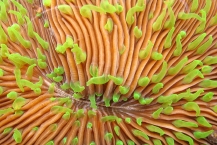
in CORAL anthozoans and potential role in cryopreservation of coral larvae for re-seeding decimated reef areas (with Mary Hagedorn, Smithsonian Institution), and
4)
osmolytes in knock-out mammalian KIDNEY cells (with Colleen Stein, U. Iowa).


Prof. Yancey and others have found that some osmolytes, especially methylamine types such as TMAO (left), can actually stabilize proteins and counteract destabilizing effects of perturbants such as urea, salt, temperature and pressure. TMAO has a breakdown product, TMA (trimethylamine), that makes marine animals smell "fishy." Methylamines are high and appear to protect proteins in
i)
sharks and relatives, which also have the perturbing compound urea as an osmolyte;
ii) mammalian (including human)
kidneys, which must concentrate urea as a perturbing waste;
iii)
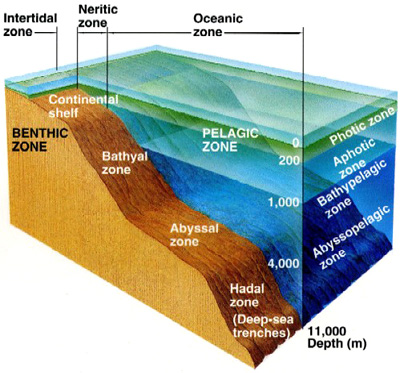
deep-sea animals which must cope with protein disturbances from high pressure. Our discovery of TMAO's role in the deep sea was featured in a New Scientist news story in 1999. See Deep-sea Fish page for pictures and Deep-Sea Research page for research details.

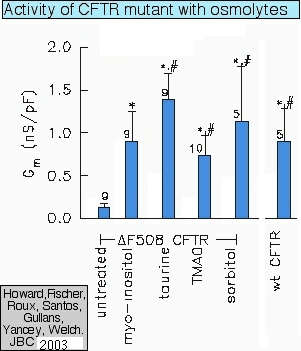
--Stabilizing properties of osmolytes may have practical application, e.g., Welch and colleagues have shown that TMAO and other osmolytes can prevent the damaging protein of "mad-cow" disease from forming, and can cause the malformed protein of cystic fibrosis to fold properly. (Dr. Yancey assisted in one of the latter studies; see Howard et al. reference below in Research Area 2.)

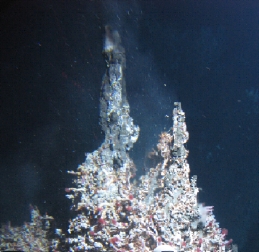
--We are also studying the role of osmolyte-type solutes in animals at hydrothermal vents and gas seeps, which have high levels of hydrogen sulfide, a gas toxic to most animals. A major osmolyte in shallow-water marine invertebrates such as clams and crabs is taurine. Taurine is also essential for mammalian brain development, and is the primary ingredient in many so-called energy or sports drinks (hint: the name taurine is derived from Taurus [bull]). Researchers in France have found high levels of the taurine derivatives hypotaurine and thiotaurine in clams, mussels and tubeworms which have sulfide-oxidizing bacterial symbionts. Thiotaurine, a product of hypotaurine and sulfide, may be a mechanism to prevent sulfide toxicity. We have found hypotaurine and thiotaurine in vent snails and limpets without symbionts, and shown that thiotaurine levels vary with sulfide exposure in these animals kept in laboratory pressure chambers. See Seeps and Vents page for pictures and Deep-Sea Research Page for research details.

--Other researchers have found that the common osmolyte of marine algae, DMSP (dimethylsulfonoproprionate), breaks down into the gas DMS (dimethylsulfide), which is largely responsible for the "smell of the sea" that evokes emotional responses to the ocean. DMS is also thought to trigger the seeding of clouds, in what may be a global temperature negative feedback process. This is one of the postulates of the so-called Gaia hypothesis, which suggests that global warming will cause more DMS production, which via cloud formation may cool the planet. We have recently been working on DMSP and other osmolytes in coral reef anthozoan, with Dr. Mary Hagedorn, who is hoping to cryopreserve coral larvae for potential re-seeding of decimated reef habitats.


Review articles on osmoregulation with osmolytes:

  • Yancey, P.H., M.E. Clark, S.C. Hand, R.D. Bowlus, G.N. Somero (1982). Living with water stress: evolution of osmolyte systems. Science 217: 1214-1222 (An I.S.I. Citation Classic)
  • Somero, G.N., P.H. Yancey (1978). Evolutionary adaptations of Km and kcat values: fitting the enzyme to its environment through modifications in the amino acid sequences and changes in the solute environment of the cytosol. Symp. Biol. Hungar. 21: 249-276
  • Yancey, P.H. (1985). Organic osmotic effectors in cartilaginous fishes. IN: Transport Processes, Iono- and Osmoregulation (R. Gilles, M. Gilles-Ballien, eds), Springer-Verlag
  • Yancey, P.H. (1993). Micromolecules that help macromolecules in dehydration [commentary written for I.S.I. Citation Classic® recognition]. Curr. Contents Life Sci. 36: 9
  • Yancey, P.H. (1994). Compatible and counteracting solutes. In: Cellular and Molecular Physiology of Cell Volume Regulation, Strange, K. (ed.), CRC Press, Boca Raton.
  • Somero, G.N., P.H. Yancey (1997). Osmolytes and cell volume regulation: physiological and evolutionary principles. In: Handbook of Physiology, Sec. 14; Hoffman, J. F. and J.D. Jamieson (eds)., Oxford University Press.
  • Yancey, P.H. (2001). Water stress, osmolytes and proteins. Amer. Zool. 41: 699-709.
  • Yancey, P.H. (2001). Nitrogenous solutes as osmolytes. Fish Physiology Vol. 20: Nitrogen Excretion (P.Wright, P. Anderson, eds). Academic Press, pp 309-341.
  • Yancey, P.H., W. R. Blake*, J. Conley*, R.H. Kelly* (2002). Nitrogenous solutes as protein-stabilizing osmolytes: counteracting the destabilizing effects of hydrostatic pressure in deep-sea fish. In: Nitrogen Excretion in Fish (Proc. Internatl. Congr. Biol. Fish), Wright, P.A. and D. MacKinlay (eds.).
  • Yancey, P.H. (2003). Proteins and counteracting osmolytes. Biologist 50: 126-131
  • Yancey, P.H. (2004). Compatible and counteracting solutes: protecting cells from the Dead Sea to the deep sea. Science Progress 87: 1-24.
  • Yancey, P.H. (2005). Organic osmolytes as compatible, metabolic, and counteracting cytoprotectants in high osmolarity and other stresses. J. Exp. Biol. 208: 2819-2830

Primary research articles are below

Back to Research Index ; Back to top of page

RESEARCH IS IN TWO BROAD AREAS:

1. MARINE -- below

2. MAMMALIAN--click


Area 1. MARINE / COMPARATIVE PHYSIOLOGY:
ADAPTATIONS to SALINITY and the DEEP SEA

More DETAILS can be found by at my SENIOR RESEARCH page, or for more details--with pictures, descriptions, videos--CLICK the DEEPSEA button -->


Publications on Osmoregulation and OSMOLYTES: Sharks, Bony Fish, Frogs, Etc.(*undergraduate co-author):
(For DEEP-SEA animals, see next section below)

  • Yancey, P.H., G.N. Somero (1978). Urea-requiring lactate dehydrogenases of marine elasmobranch fishes. J. Comp. Physiol. 125: 135-141
  • Yancey, P.H., G.N. Somero (1979). Counteraction of urea destabilization of protein structure by methylamine osmoregulatory compounds of elasmobranch fishes. Biochem. J. 182: 317-323
  • Yancey, P.H., G.N. Somero (1980). Methylamine osmoregulatory compounds in elasmobranch fishes reverse urea inhibition of enzymes. J. Exp. Zool. 212: 205-213
  • Altringham, J.D., P.H. Yancey, I.A. Johnston (1982). The effects of osmoregulatory solutes on tension generation by dogfish skinned muscle fibres. J. Exp. Zool. 96: 443-445
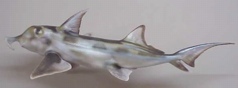
  • Bedford, J.J., J.L. Harper, J.P. Leader, P.H. Yancey, R.A.J. Smith (1998). Tissue composition of the elephant fish, Callorhynchus milli: Betaine is the principal counteracting osmolyte. Comp. Biochem. Physiol. 119B: 521-526 (see picture at right)
  • Yancey, P.H., J. Ruble*, J.D. Valentich (1991). Effect of chloride secretagogues on cyclic AMP formation in cultured shark (Squalus acanthias) rectal gland epithelial cells. Bull. Mt. Des. I. Biol. Lab.13: 51-52
  • Fuery, C.J., P.V. Attwood, P.C. Withers, P.H. Yancey, J. Baldwin, M. Guppy (1997). Effects of urea on M4-lactate dehydrogenase from elasmobranchs and urea-accumulating Australian desert frogs. Comp. Biochem. Physiol. 117B: 143-150
  • Steele, S.L., P.H. Yancey, P.A. Wright (2004). Dogmas and controversies in the handling of nitrogenous wastes: Osmoregulation during early embryonic development in the marine little skate Raja erinacea; response to changes in external salinity. J. Exp. Biol. 207: 2021-2031
  • Steele, S.L., P.H. Yancey, P.A. Wright (2005). Evidence for an extra-hepatic ornithine-urea cycle and osmoregulatory strategies in response to low salinity in the little skate, Raja erinacea. Physiol. Biochem. Zool. 78: 216-226
  • Fiess, J.C., A. Kunkel-Patterson*, L. Mathias*, L.G. Riley, P.H. Yancey, T. Hirano, E.G. Grau. (2007). Effect of environmental salinity and temperature on osmoregulatory ability, organic osmolytes, and plasma hormone profiles in the Mozambique tilapia (Oreochromis mossambicus). Comp. Physiol. Biochem 146A: 252-264


Elephant fish, New Zealand

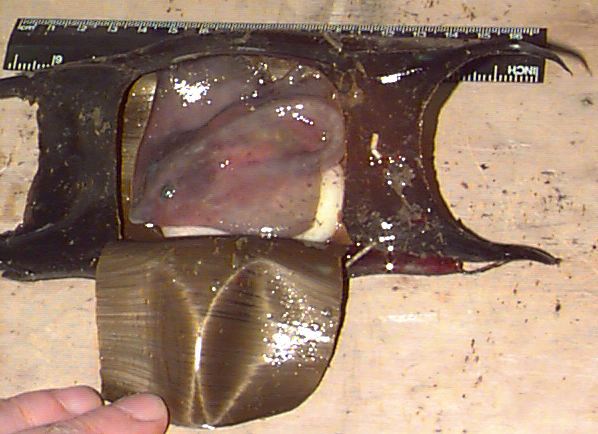
Skate egg case


Publications on DEEP-SEA/Hydrothermal-Vent/Gas-Seep Animals: (*undergraduate co-authors):

  • Siebenaller, J.F., P.H. Yancey (1984). The protein composition of white skeletal muscle from mesopelagic fishes having different water and protein contents. Mar. Biol. 78: 129-137
  • Yancey, P.H., R. Lawrence-Berrey*, M. D. Douglas* (1989). Adaptations in mesopelagic fishes. I. Buoyant glycosaminoglycan layers in species without diel vertical migrations. Mar. Biol. 103: 453-459
  • Yancey, P.H., T. Kulongoski*, M.D. Usibelli*, R. Lawrence-Berrey*, A. Pedersen* (1992). Adaptations in mesopelagic fishes. II. Protein contents of various muscles and actomyosin contents and structure of swimming muscle. Comp. Biochem. Physiol. 103B: 691-697
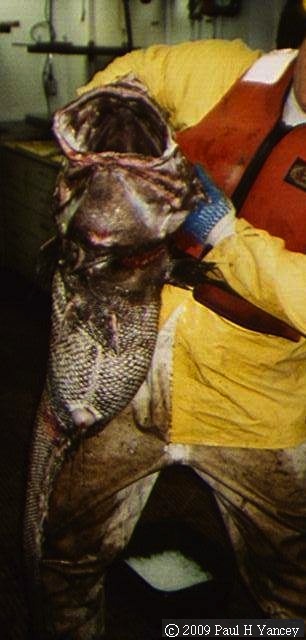
  • Gillett*, M.B., J.R. Suko*, F.O. Santoso*, P.H. Yancey (1997). Elevated levels of trimethylamine oxide in muscles of deep-sea gadiform teleosts: a high-pressure adaptation? J. Exper. Zool. 279:386-391 (see picture at right of gadiform fish)
  • Kelly*, R.H., P.H. Yancey (1999). High contents of trimethylamine oxide correlating with depth in deep-sea teleost fishes, skates, and decapod crustaceans. Biol. Bull. 196:18-25 ; PDF version here.
  • Yancey, P.H., J.F. Siebenaller (1999). Trimethylamine oxide stabilizes teleost and mammalian lactate dehydrogenases against inactivation by hydrostatic pressure and trypsinolysis. J. Exper. Biol. 202:3597-3603; news story: Dec. 11 '99 New Scientist (p.22)
  • Yin, M., H.R. Palmer, A.L. Fyfe-Johnson*, J.J. Bedford, R.A. Smith, P.H. Yancey (2000). Hypotaurine, N-methyltaurine, taurine, and glycine betaine as dominant osmolytes of vestimentiferan tubeworms from hydrothermal vents and cold seeps. Physiol. Biochem. Zool. 73:629.
  • Yancey, P.H., A.L. Fyfe-Johnson*, R.H. Kelly*, V.P. Walker*, M.T. Aunon* (2001). Trimethylamine oxide counteracts effects of hydrostatic pressure on proteins of deep-sea teleosts. J. Exp. Zool. 289:172
  • Yancey, P.H., W. R. Blake*, J. Conley* (2002). Unusual organic osmolytes in deep-sea animals: adaptations to hydrostatic pressure and other perturbants. Comp. Biochem. Physiol. A, 133 (3): 667-676 (click on vol. 133)
  • Fiess*, J., H.A. Hudson*, J.R. Hom*, C. Kato, P.H. Yancey (2002). Phosphodiester amine, taurine and derivatives, and other osmolytes in vesicomyid bivalves from cold seeps: correlations with depth and symbiont metabolism. Cahiers de Biologie Marine 43: 337-340
  • Yancey, P.H., M.D. Rhea*, D. Bailey, K. Kemp (2004). Trimethylamine oxide, betaine and other osmolytes in deep-sea animals: depth trends and effects on enzymes under hydrostatic pressure. Cell Molec. Biol. 50: 371-376
  • Rosenberg*, N.K., R.W. Lee, P.H. Yancey (2006). High contents of hypotaurine and thiotaurine in hydrothermal-vent gastropods without thiotrophic endosymbionts. J. Exp. Zool. 305A: 655-662.
  • Brand*, G.L., R.V. Horak*, N. LeBris, S.K. Goffredi, S.L. Carney, B. Govenar, P.H. Yancey (2007). Hypotaurine and thiotaurine as indicators of sulfide exposure in bivalves and vestimentiferans from hydrothermal vents and cold seeps. Mar. Ecol. 28: 208-218.
  • Samerotte*, A.L., J.C. Drazen, G.L. Brand*, B.A. Seibel, P.H. Yancey (2007). Contents of trimethylamine oxide correlate with depth within as well as among species of teleost fish: an analysis of causation. Phys. Zool. Biochem. 80: 197-208


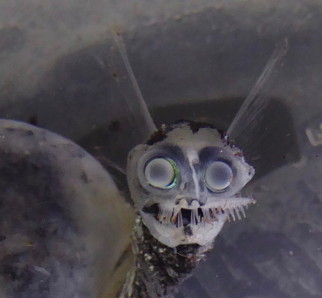
Giant rattail or grenadier (gadiform), Oregon slope, 2000m

Tubeworm from methane seep
Oregon slope 2000m deep


Other Publications in Marine / Comparative Physiology: Toxicology; TEMPERATURE adaptations, MUSCLE physiology:

  • Somero, G.N., T.J. Chow, P.H. Yancey, C.B. Snyder (1977). Lead accumulation rates in tissues of the estuarine teleost Gillichthys mirabilis: salinity and temperature effects. Arch. Envir. Contam. Toxicol. 6: 337-346
  • Somero, G.N., P.H. Yancey, T.J. Chow, C.B. Snyder (1977). Lead effects on tissue and whole organism respiration of the estuarine teleost Gillichthys mirabilis. Arch. Envir. Contam. Toxicol. 6: 346-354
  • Yancey, P.H., G.N. Somero (1978). Temperature dependence of intracellular pH: its role in the conservation of pyruvate apparent Km values of vertebrate lactate dehydrogenases. J. Comp. Physiol. 125: 129-134
  • Altringham, J.D., I.A. Johnston, P.H. Yancey (1980). A sensitive positional feedback transducer for investigating the force-velocity relationship of actomyosin threads. J. Physiol. 9/12: 17P-18P
  • Yancey, P.H., I.A. Johnston (1982). Effect of electrical stimulation and exercise on the phosphorylation state of myosin light chains from fish skeletal muscle. Pflugers Archiv. 393: 334-339
  • Altringham, J.D., P.H. Yancey, I.A. Johnston (1980). Limitations in the use of actomyosin threads as model contractile systems. Nature 287: 338-340
  • Yancey, P.H., J.F. Siebenaller (1987). Coenzyme binding ability of homologs of M4-lactate dehydrogenase in temperature adaptation. Biochim. Biophys. Acta 924: 483-491

Back to Research Index ; Back to top of page

Research Area 2. MAMMALIAN KIDNEY and BRAIN OSMOREGULATION

  • Regulation and development of mammalian organic osmolytes in vivo and in vitro
  • Sorbitol and aldose reductase inhibitors in normal and diabetic kidneys
  • Effects of analgesic drugs (NSAIDs etc.) on renal osmolytes.

Publications (some with undergraduate co-authors*) in mammalian osmoregulation:

  • Yancey, P.H. (1988). Osmotic effectors in kidneys of xeric and mesic rodents: cortico-medullary distributions and changes with water availability. J. Comp. Physiol. 158B: 369-380
  • Wolff, S., P.H. Yancey, T.S. Stanton, R. Balaban (1989). A simple HPLC method for quantitating the major organic solutes of the renal medulla. Amer. J. Physiol. 256: F954-956
  • Yancey, P.H., M.B. Burg (1989). Distributions of major organic osmolytes in rabbit kidneys in diuresis and antidiuresis. Amer. J. Physiol. 257: F602-607
  • Yancey, P.H., M.B. Burg, S.M. Bagnasco (1990). Effects of NaCl, glucose and aldose reductase inhibitors on cloning efficiency of renal cells. Amer. J. Physiol. 258: C156-163
  • Yancey, P.H., M.B. Burg (1990). Counteracting effects of urea and betaine on colony-forming efficiency of mammalian cells in culture. Amer. J. Physiol. 258: R198-204
  • Yancey, P.H., R.G. Haner*, T. Freudenberger* (1990). Effects of an aldose reductase inhibitor on osmotic effectors in rat renal medulla. Amer. J. Physiol. 259: F733-F738
  • Edmands*, S., P.H. Yancey (1992). Effects on rat renal osmolytes of extended treatment with an aldose reductase inhibitor. Comp. Biochem. Physiol. 103C: 499-502
  • Peterson*, D.P., K M. Murphy*, R. Ursino*, K. Streeter*, P.H. Yancey (1992). Effects of dietary protein and salt on rat renal osmolytes: co-variation in urea and GPC contents. Amer. J. Physiol. 263: F594-F600.
  • Edmands*, S.D., K.S. Hughs*, S. Lee*, S.D. Meyer*, E. Saari, P.H. Yancey (1995). Time-dependent aspects of osmolyte changes in rat kidney, urine, blood and lens with sorbinil and galactose feeding. Kidney Int. 48: 344-353
  • Trachtman, H., P.H. Yancey, S.R. Gullans (1995). Cerebral cell volume regulation during hypernatremia in developing rats. Brain Res. 693: 155-62
  • Rohr*, J.M., S. Truong*, T. Hong*, P.H. Yancey (1999). Effects of ascorbic acid, aminoguanidine, sorbinil and zopolrestat on sorbitol and betaine contents in cultured rat renal cells. Exp. Biol. Online 4:3
  • Miller*, T., R. Hanson*, P.H. Yancey (2000). Developmental changes in organic osmolytes in prenatal and postnatal rat tissues. Comp. Biochem. Physiol. 125A:45-56 (click on vol. 125).
  • Bedford,, J.J., J. Schofield, P.H. Yancey, J.P. Leader (2002). The effects of hypoosmotic infusion on the composition of renal tissue of the Australian brush-tailed possum Trichosurus vulpecula. Comp. Biochem. Physiol. 132B: 645-652 (click on vol. 132).
  • Howard, M., H. Fischer, J. Roux, B. C. Santos, S.R. Gullans, P. H. Yancey, W. J. Welch (2003). Mammalian osmolytes and S-nitrosoglutathione promote delta-F508 Cystic Fibrosis Transmembrane Conductance Regulator (CFTR) protein maturation and function. J. Biol. Chem., 278: 35159 - 35167


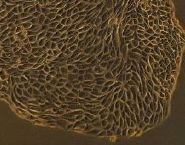
Normal kidney cells growing
in tissue culture


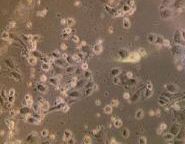
Kidney cells in culture exposed to 1mM Ibuprofen

Restoring cystic-fibrosis channel function
with osmolytes (Howard et al., 2003)


OTHER ARTICLES :

  • Weiler, C.S., P.H. Yancey (1989). Dual-career couples and science: opportunities, challenges and strategies. Oceanography 2: 28-31
  • Weiler, C.S., P.H. Yancey (1992). Dual-career couples and academic science. J. Coll. Sci. Teach. 21: 217-222

Back to Research Index ; Back to top of page; GO TO Whitman Biology Home Page